
Dampiera
Dampiera R. Br.
Dampiera R. Br. is a genus of perennial herbs and subshrubs within the Goodeniaceae family. Native to Australia, these plants are primarily found in diverse environments ranging from coastal heaths to dry inland plains and scrublands, showcasing significant environmental resilience.
What the section contains

Dampiera
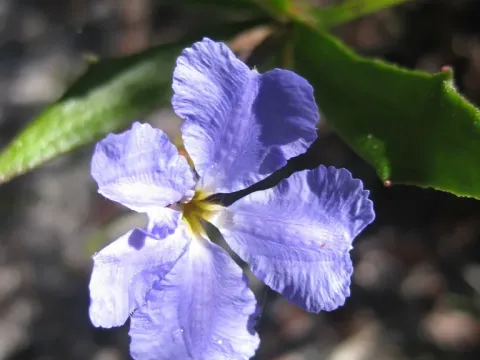
Botanically, Dampiera is characterized by its distinct, often showy blue to violet flowers, which feature a unique floral structure with a deeply cleft corolla. The foliage varies between species, often being covered in fine hairs that help reduce moisture loss through transpiration.
When cultivated, Dampiera requires specific conditions mimicking its natural habitat. A well-draining, sandy-loam soil mix is essential to prevent waterlogging, which is the leading cause of plant mortality in these species. Containers must have adequate drainage holes.
In terms of light, these plants thrive in full sun to light shade. Proper sun exposure is vital for maintaining the plant's shape and stimulating the production of its characteristic bright blue flowers throughout the growing season.
Watering practices must be disciplined; allow the growing medium to dry out significantly between watering sessions. Overwatering, especially during cooler winter months, can be detrimental, leading to rapid decline and root rot complications.
The most significant threats to Dampiera are root-borne pathogens, particularly Phytophthora species, which thrive in soggy, poorly aerated soils. Preventing these infections requires strict attention to soil moisture and the use of sterile growing media.
Pests such as aphids and spider mites frequently attack the new growth and flower buds. These insects can cause stunted growth and deformed leaves if left untreated, requiring prompt intervention with appropriate horticultural soaps or systemic insecticides.
Fungal issues, such as powdery mildew, may occur if there is insufficient air movement around the plant foliage. Maintaining spacing between plants and ensuring a gentle breeze in the cultivation area can significantly reduce the risk of outbreaks.
Nutrient toxicity is a unique challenge, as many Australian natives, including Dampiera, are highly sensitive to phosphorus. Use of specialized low-phosphorus fertilizers is necessary to prevent leaf tip burn and ensure healthy physiological development.
Environmental stress can also predispose the plant to secondary infections. Sudden fluctuations in temperature or exposure to excessive humidity can weaken the plant, making it more susceptible to opportunistic pests and pathogens found in greenhouse settings.