
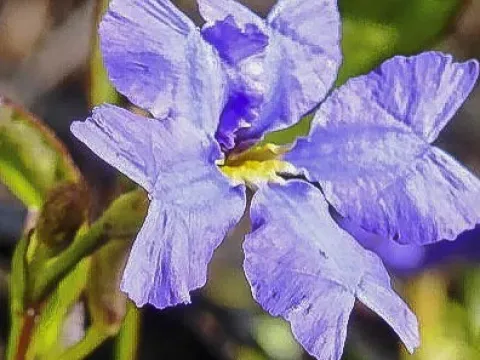
Dampiera
Dampiera
Dampiera is a genus of herbaceous perennials and subshrubs belonging to the Goodeniaceae family. Most species are native to Australia, where they thrive in diverse climatic zones.
What the section contains


Dampiera
The botanical structure of Dampiera is characterized by its distinct, usually blue or purple flowers with a split corolla, which makes them highly attractive for ornamental use.
Cultivation requires well-draining soil, typically sandy or rocky, with very low phosphate levels. The plants are highly adapted to low-nutrient soils and can show sensitivity to high-fertility substrates.
Climatic requirements are specific: the plants prefer sunny positions and protection from extreme frost. Proper air circulation is essential for the healthy development of foliage and flowers.
Agronomic management involves strictly controlled irrigation. Over-watering is the primary cause of plant failure, leading to rapid development of root-related physiological disorders.
The most significant threat to Dampiera is fungal root rot, primarily driven by excessive soil moisture and poor drainage in heavy soil conditions.
In terms of pests, mealybugs and aphids can be problematic when plants are grown in confined or sheltered spaces without adequate ventilation.
Pest management should prioritize biological controls or mild insecticidal soaps, as these plants are sensitive to strong synthetic chemical compounds.
Preventative measures include avoiding overhead watering and ensuring the base of the plant remains dry by using coarse mineral mulch such as gravel.
Regular inspection of root health is advised in container-grown crops to identify potential issues before they become terminal for the plant specimen.