
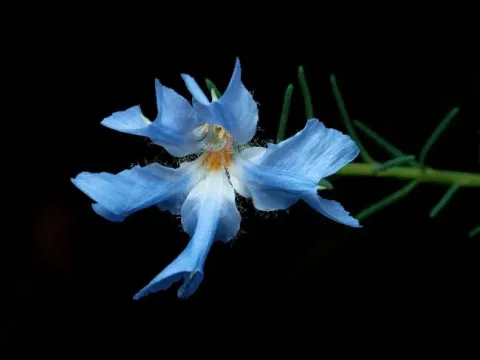
Lechenaultia
Lechenaultia
Lechenaultia is a genus of flowering plants belonging to the Goodeniaceae family, primarily recognized for its unique, vibrant blooms and ornamental value.
What the section contains


Lechenaultia
Native to Australia, this plant has adapted to survive in sandy, well-draining soils and high-light environments, which are essential for its healthy development.
Successful cultivation of Lechenaultia requires meticulous attention to the moisture levels in the substrate, as the roots are highly susceptible to rot.
The climate for this crop should provide ample sunlight and stable temperatures, ideally between 18 and 25 degrees Celsius, to promote consistent growth.
Proper agricultural practices include the use of sandy, acidic to neutral soil mixes that facilitate rapid drainage and sufficient aeration for the root system.
Pathogenic fungi are the most significant threat to Lechenaultia, especially when the crop is exposed to excessive humidity or poorly drained containers.
Root rot, caused by overwatering, remains the primary cause of crop failure, necessitating rigorous adherence to irrigation schedules.
Pests such as aphids and spider mites can infest the foliage, particularly in greenhouse conditions where ventilation is inadequate.
Effective pest management involves regular field monitoring and the prompt application of targeted insecticides to prevent widespread colony formation.
Integrated disease management strategies, including preventive fungicidal treatments and moisture control, are essential for maintaining plant health.