
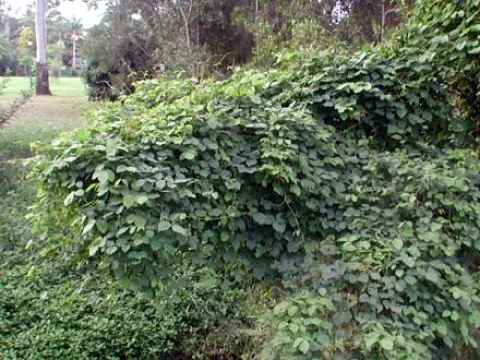
Glycine javanica
Glycine javanica
Sowing Glycine javanica, scientifically classified as Neonotonia wightii, is best performed at the onset of the rainy season to ensure optimal soil moisture for germination.
What the section contains
Glycine javanica
Seeds should be planted at a shallow depth of 1 to 2 centimeters, as the small seeds require minimal cover to emerge successfully through the soil profile.
A seeding rate of 3–5 kilograms per hectare is typically recommended, though this can vary based on local soil fertility and the method of sowing (broadcast vs. drilled).
It is critical to inoculate the seeds with specific Bradyrhizobium strains before planting, especially on land where the legume has not been grown previously.
Ensuring good soil-to-seed contact by light rolling after planting can significantly improve stand establishment in drier tropical environments.
This perennial legume is highly valued in the tropics for its ability to provide high-quality forage and improve soil nitrogen levels through symbiotic fixation.
The plant performs best in well-drained loamy soils and exhibits a moderate tolerance for acidic conditions, provided they are not excessively deficient in phosphorus.
While established plants show excellent drought resistance, consistent moisture during the early growth stages is essential for deep root development.
Neonotonia wightii thrives in temperatures between 20°C and 30°C and is largely restricted to frost-free zones, as it lacks cold hardiness.
Due to its trailing habit, it integrates well into silvopastoral systems, showing a unique ability to grow in moderate shade under canopy cover.
The biomass yield is impressive, capable of producing 15 to 25 tonnes of dry matter per hectare under good management and rainfall conditions.
Nutritionally, the forage is rich in crude protein, often maintaining levels above 20%, which supports high livestock productivity throughout the growing season.
Proper grazing rotation is crucial; the plant responds well to rest periods, which allow it to replenish carbohydrate reserves in its crown and roots.
Overgrazing can lead to the thinning of the stand and loss of plant vigor, therefore monitoring stubble height is a key component of yield management.
When used as a cut-and-carry forage, it provides a consistent supply of high-quality feed, making it a staple for dairy and beef cattle production systems.
Common pests include various leaf-eating beetles and caterpillars that can defoliate the crop during the peak of the growing season.
Fungal pathogens such as leaf spot can become problematic in high-humidity climates, particularly if the canopy is too dense to allow for air circulation.
Root-knot nematodes often pose a threat in sandy soil types, potentially reducing the plant's ability to take up nutrients effectively.
Viral infections may occur, showing symptoms like leaf yellowing and stunting, which necessitates strict monitoring and the use of healthy planting material.
- Practice crop rotation to manage soil-borne pests.
- Ensure adequate drainage to prevent root diseases.
- Use resistant cultivars when available to combat local pathogens.
For high-quality hay production, the crop should be harvested at the early flowering stage to achieve the best balance of biomass and nutritional content.
Mechanical harvesting requires sharp blades to avoid damaging the crown of the plant, which is vital for the subsequent regrowth of the forage stand.
Seed harvesting is conducted when the pods turn dark brown, requiring a careful balance to avoid shattering losses in the field during the dry season.
Post-harvest handling of seeds should focus on thorough drying and storage in moisture-proof containers to maintain viability for the following year.
By effectively managing the harvest schedule, farmers can ensure both the persistence of the pasture and the availability of seeds for expansion.