
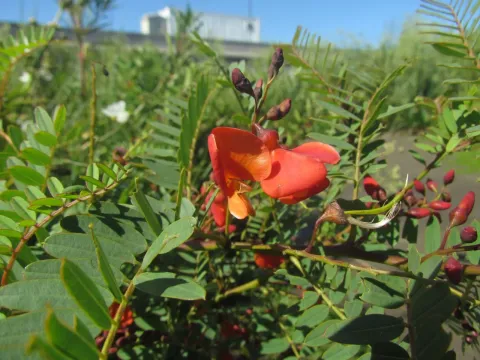
Glottidium
Glottidium
Glottidium, scientifically known as Sesbania vesicaria, is an annual legume species often cultivated for its specific agronomic properties. Sowing should be scheduled after the risk of frost has completely passed, as the seeds require warm soil to trigger effective germination.
What the section contains
Glottidium
The optimal planting time typically falls in late spring, ensuring that the soil temperature is consistently high. Uniform spacing is essential during sowing to facilitate adequate airflow and light penetration, which are crucial for the development of individual plants.
Seeds should be placed at a depth of 2 to 3 centimeters, depending on soil texture. Using high-quality, treated seeds significantly improves the emergence rate and establishes a healthy crop stand from the very beginning of the growing season.
Proper field preparation is vital to ensure that seeds are not buried too deeply, which could hinder sprout emergence. A well-prepared seedbed provides the necessary contact with moisture, accelerating the start of the vegetative phase.
Implementing row cropping allows for better management of the field, enabling the use of agricultural machinery for cultivation and weed control. This structured approach helps maintain optimal plant density throughout the vegetative stage.
This crop thrives best in fertile, well-drained soils. While it shows some tolerance to varying soil conditions, it prefers environments where waterlogging can be avoided to protect the integrity of the root system and its symbiotic nodules.
Glottidium is highly light-dependent and performs exceptionally well in open, sunny locations. Proper sunlight exposure is fundamental for maximizing biomass production and ensuring that the plant reaches its full potential during the flowering stage.
A key biological feature of this plant is its ability to fix atmospheric nitrogen. This symbiotic interaction with specialized bacteria enhances soil nitrogen levels, offering significant benefits for long-term field fertility and subsequent crops.
Although the plant possesses moderate drought tolerance, consistent moisture availability during the peak growth period is necessary to achieve high yields. In regions with insufficient rainfall, irrigation systems are recommended for optimal output.
Balanced fertilization, particularly focusing on phosphorus and potassium, contributes to robust root development and overall plant resistance. Such management practices ensure that the crop remains healthy and productive under varying climatic stressors.
The primary concern regarding Glottidium is its inherent toxicity to livestock. Due to the presence of harmful lectins in the foliage and seeds, it must be managed carefully, ensuring that it is not introduced into grazing areas or feed stocks.
Various insect pests, such as leaf beetles and weevils, can cause damage to the foliage. Monitoring the fields regularly allows for the timely application of control measures to prevent significant yield losses during the vegetative cycle.
Root rot remains a frequent issue, especially in soils with poor drainage. Proactive field management, including proper leveling and drainage, is the best strategy to mitigate the risk of fungal infections within the root zone.
During periods of high humidity, pathogens causing powdery mildew may manifest. If symptoms appear, the application of targeted fungicides can prevent the disease from spreading throughout the entire crop area effectively.
Competitive weeds pose a challenge to the crop's establishment. Employing integrated weed management, combining mechanical tillage with selective herbicides, remains the most reliable method to protect the Glottidium crop during its early development.