
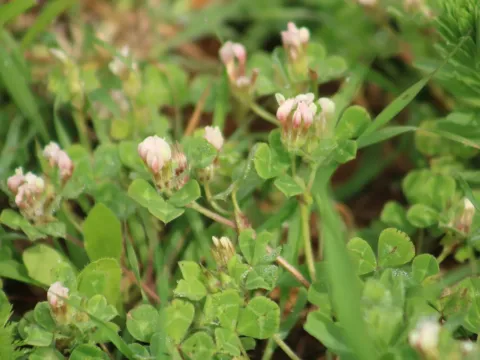
Woolly-head clover
Trifolium eriosphaerum
Woolly-head clover (Trifolium eriosphaerum) is a robust perennial legume valued for its role in sustainable forage production. Its biological cycle is optimized for areas with distinct growing seasons, focusing on nitrogen fixation.
What the section contains
Woolly-head clover
Seedbed preparation is the most critical step; the soil must be fine, firm, and weed-free to ensure consistent germination. Seeds are typically sown in early spring, allowing the plant to establish a deep taproot before the heat of summer.
Sowing depth should be kept shallow, approximately 1 to 2 centimeters, to prevent the small seeds from exhausting their energy reserves before reaching the surface. Utilizing a seed drill with packer wheels is highly recommended.
Initial growth is often slow as the clover prioritizes subterranean biomass development. During this stage, preventing competition from fast-growing weeds is vital for the long-term success of the stand.
The spacing between rows should be tailored to local environmental conditions, typically ranging between 15 and 25 centimeters. This ensures enough space for adequate air circulation and light penetration, reducing humidity-related disease risks.
This species thrives in well-drained, fertile soils with a near-neutral pH balance. While it exhibits tolerance to various soil types, waterlogged conditions should be strictly avoided to maintain root health.
The plant demonstrates significant resilience to fluctuating weather patterns, but it performs best in regions with consistent moderate rainfall. Supplemental irrigation may be necessary during prolonged droughts to maintain yield quality.
Sunshine is essential for maximizing the protein content and overall productivity of the forage. Areas with high solar radiation support more vigorous growth and a higher concentration of beneficial nutrients in the foliage.
Soil nutrient management should focus on maintaining optimal levels of phosphorus and potassium. These nutrients play a pivotal role in promoting bloom intensity and overall stand longevity over several growing seasons.
Incorporating legumes into a crop rotation cycle significantly improves soil structure and reduces the need for synthetic nitrogen fertilizers. The symbiotic relationship with soil bacteria provides a sustainable source of nitrogen for the ecosystem.
Leaf spot diseases are commonly observed in high-humidity climates. Effective management involves selecting resistant varieties and ensuring that the harvest schedule prevents excessive regrowth density that traps moisture.
Insect pests, such as clover root curculio, pose a threat by feeding on the root system, which can weaken the plant's ability to absorb water and essential minerals during critical growing periods.
Anthracnose can be a major challenge during damp summers, leading to significant foliage loss and reduced hay quality. Prompt identification and early management of affected spots are essential to preventing widespread field outbreaks.
Aphid infestations are frequently reported during the peak growth phases. Natural predators such as ladybugs and lacewings often provide sufficient control, emphasizing the need to minimize broad-spectrum pesticide use.
Drought stress may increase the susceptibility of the crop to secondary pests. Maintaining adequate soil moisture levels remains the best defensive strategy against most environmental stressors and pest outbreaks.
The optimal harvest time is typically during the early bloom phase to ensure the highest protein density and digestibility. Harvesting too late leads to increased lignification, which reduces the nutritional value for livestock.
Mechanical harvesting should be performed with sharp blades to minimize damage to the crowns of the plants. Clean cuts facilitate faster regrowth, ensuring that the clover can recover quickly for subsequent harvest cycles.
Drying the harvested material requires careful management to prevent spoilage and nutrient leaching. Windrow management should allow for even moisture distribution and high-quality hay production.
For grazing operations, rotation is vital; animals should be removed once they have consumed the target biomass. Overgrazing can cause the plant to struggle, potentially shortening the lifespan of the clover stand.
Storing the hay in cool, dry conditions is imperative for preserving the quality of the fodder throughout the winter months. Proper ventilation in storage areas prevents mold and heat damage to the final product.