
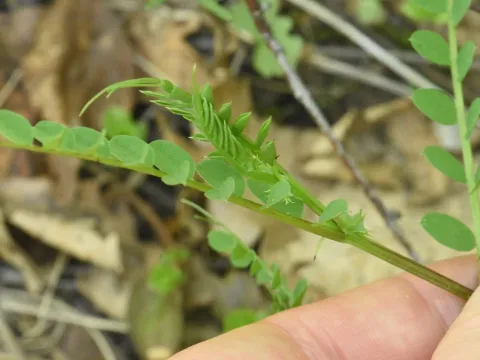
Wood vetch
Vicia sylvatica
Wood vetch (Vicia sylvatica) is a perennial herbaceous plant belonging to the Fabaceae family. It is typically found in woodland areas, exhibiting a climbing growth habit supported by tendrils.
What the section contains
Wood vetch
This species thrives in rich, moist soil conditions. As a legume, it has specific requirements for microclimates that provide sufficient moisture throughout the active growing season.
In terms of soil composition, wood vetch prefers well-drained loamy soils with adequate organic matter content. It is known to be quite adaptable to partial shading, which is characteristic of its native habitat.
The plant demonstrates excellent winter hardiness, allowing it to persist in temperate climates where other forage legumes might struggle during cold winters.
Agronomically, wood vetch is a valuable crop for nitrogen fixation. Through its symbiotic relationship with rhizobia bacteria, it contributes to soil health and fertility, making it a sustainable choice for mixed cropping systems.
In agriculture, wood vetch is primarily utilized as a high-quality forage plant. It is often integrated into mixed leys to enhance the nutritional value of pasture or hay.
The nutritional profile of wood vetch is characterized by high protein levels and good digestibility, which are essential for livestock development and production.
Yield stability is generally maintained through moderate harvesting frequencies. The plant possesses a robust ability to regenerate regrowth, ensuring multiple cuts per season under favorable weather conditions.
When used for silage production, wood vetch improves the overall protein balance of the stored forage, effectively reducing the need for concentrated protein supplements.
The integration of this species into grassland management leads to better utilization of land resources and supports the natural improvement of pastures over time.
Pathogens such as root rot can affect wood vetch crops, especially if the soil remains waterlogged for extended periods during the early growth stages.
Common agricultural pests, including various aphids and weevils, can cause damage to foliage. Integrated pest management strategies are advised to keep populations below economic thresholds.
Weed competition is a significant factor in the early establishment of the crop. Proper seedbed preparation and initial monitoring are crucial to ensure the plants establish well.
Disease prevention strategies focus on crop rotation and ensuring that planting density is optimized to prevent microclimatic conditions that favor fungal outbreaks.
Monitoring for signs of pests or nutrient deficiencies is an essential part of the agronomic management cycle to maintain the longevity of the wood vetch stand.