
Wood broom
Genista sylvestris
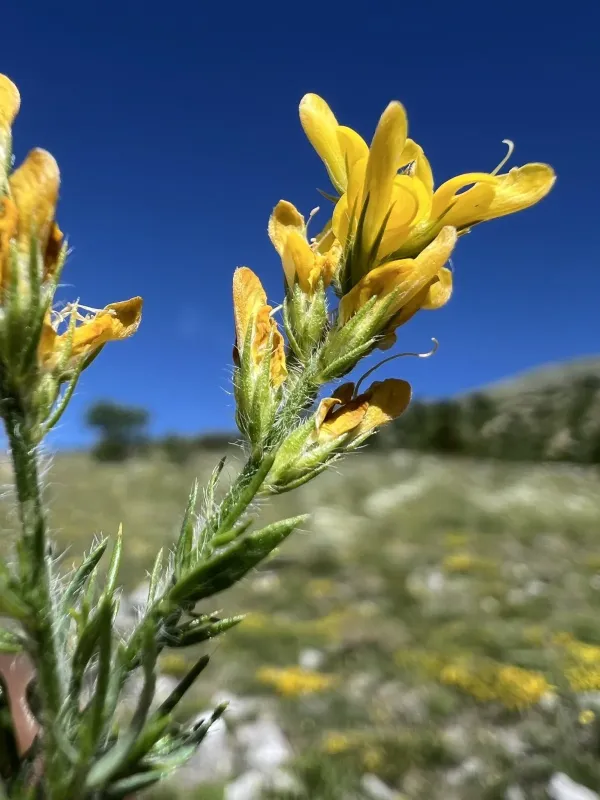
Description
Growing requirements
Wood broom (Genista sylvestris) is a perennial shrub belonging to the Fabaceae family, recognized for its exceptional resilience in challenging soil conditions and rocky terrains.
The plant thrives in full sun exposure and requires well-drained soil types. It is highly sensitive to waterlogging, making proper drainage systems essential for preventing root decay and ensuring healthy development.
Cultivation of this species is highly effective on sandy or rocky, nutrient-poor substrates, as it is naturally adapted to survive where more demanding agricultural crops would fail.
In terms of climate, Genista sylvestris is remarkably drought-tolerant, making it an excellent candidate for regions with scarce rainfall or slopes prone to soil erosion.
As a legume, it contributes to soil nitrogen enrichment through symbiotic relationships with root bacteria, which promotes sustainable land management practices in low-fertility areas.
Main diseases and pests
Wood broom is generally a robust plant, yet it can be susceptible to specific stressors if grown under unfavorable conditions, particularly regarding soil aeration.
Root rot remains the most significant threat, occurring almost exclusively when the plant is subjected to poor drainage or chronic overwatering, which suffocates the root system.
Foliar pests, specifically aphids and spider mites, are common during periods of extreme heat, potentially leading to wilting and reduced vigor of the shrub's foliage.
Powdery mildew may occur in stagnant, humid microclimates where air circulation is insufficient, necessitating careful spacing during the initial planting phase.
- Ensure spacing between plants to maximize airflow and reduce humidity levels.
- Monitor for early pest signs to avoid chemical intervention.
- Prioritize well-drained soil profiles to minimize the risks of fungal pathogens.