
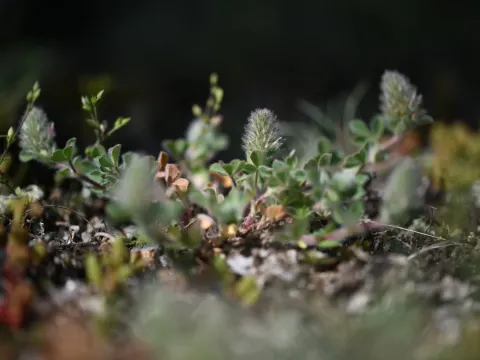
Wood clover
Trifolium sylvaticum
Wood clover (Trifolium sylvaticum) is a perennial legume species characterized by its adaptability to diverse woodland edge and meadow environments.
What the section contains
Wood clover
The optimal sowing time is early spring, allowing the seeds to germinate during the period of stable soil moisture before the onset of summer heat.
Seedbed preparation is crucial; the soil should be fine-textured to ensure the small seeds have adequate contact with the ground for efficient moisture absorption.
Seeding rates typically range between 10 to 15 kilograms per hectare, depending on the purity of the seed and the intended use of the resulting grassland stand.
Drilling the seeds at a shallow depth of approximately 1 centimeter is recommended to ensure successful emergence and prevent the seeds from being buried too deeply.
This species thrives in well-drained loamy soils and exhibits a remarkable tolerance for partial shade, making it a versatile option for semi-wooded pastures.
Wood clover prefers neutral to slightly acidic soil conditions and does not perform well in heavily waterlogged or extremely saline substrates.
Cold hardiness is one of the distinct features of this clover, allowing it to survive harsh winter conditions and provide early growth as soon as temperatures rise.
Phosphorus and potassium fertilization significantly boosts the plant's vigor, helping it compete effectively against aggressive grass species in the meadow.
Moisture availability is key during the spring growth phase; consistent rainfall or irrigation helps the plant reach its maximum biomass potential before flowering.
The biomass yield of wood clover is highly dependent on management practices and the inclusion of this plant in a balanced perennial grass mixture.
Average yields can vary significantly, but under optimal management, producers can expect substantial harvests suitable for both fresh grazing and hay production.
Regular cutting or grazing helps maintain the nutritive quality of the stand by stimulating the growth of young, nutrient-dense leaves and shoots.
High protein content makes it an excellent choice for livestock farmers aiming to reduce reliance on expensive commercial concentrate feeds for their animals.
Productivity remains stable over several years if the soil nutrient levels are managed properly and the harvest frequency matches the plant's recovery capacity.
Fungal pathogens such as powdery mildew can affect the foliage during periods of high humidity and stagnant air circulation within the canopy.
Root rot, driven by poor drainage, poses a significant threat to stand longevity and can lead to thin patches appearing across the cultivated field.
Various insect pests, particularly clover-feeding weevils, can cause damage to both leaves and developing flower heads, negatively impacting seed set.
Aphid infestations may occur in spring, leading to stunted growth and reduced leaf quality if left unmanaged in high-density clover populations.
Integrated pest management strategies, such as crop rotation and timely mowing, are effective in minimizing the impact of these common threats.
Harvesting for high-quality hay should be conducted at the early flowering stage to capture the maximum protein content before the plant allocates energy to seeds.
Field drying requires careful management to prevent the brittle leaves from shattering, which would result in the loss of the most nutritious plant parts.
Silage production is an alternative for regions with frequent rainfall, allowing for the preservation of the clover crop without the risks associated with field curing.
For seed production, harvesting occurs when the seed heads turn brown and the seeds become hard, usually in late summer depending on the local climate.
Modern equipment usage during the harvest process is essential to maintain the structural integrity of the crop and ensure uniform drying of the biomass.