
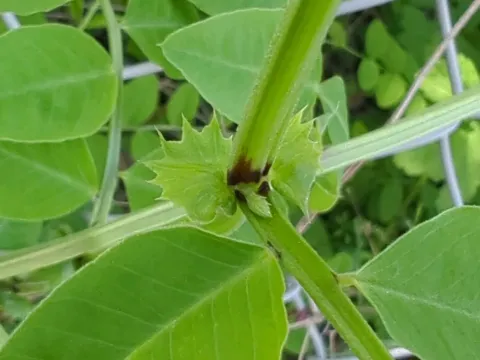
Wood vetch
Vicia dumetorum
Wood vetch (Vicia dumetorum) is a perennial herbaceous plant belonging to the Fabaceae family. It is recognized for its robust climbing stems that utilize tendrils to scale surrounding vegetation, reaching significant heights in favorable conditions.
What the section contains
Wood vetch
The native distribution of this species spans across Europe and parts of Asia, where it predominantly occupies forest margins, scrublands, and river valleys. This plant is well-adapted to temperate climates, showing significant resilience to fluctuations in seasonal temperature.
For successful growth, wood vetch requires fertile, well-drained soils with a neutral pH level. It does not tolerate prolonged waterlogging, as proper oxygenation of the root zone is crucial for the survival of its symbiotic nitrogen-fixing bacteria.
Culturally, this species is valued for its high protein content, making it an excellent candidate for inclusion in forage mixtures for livestock. Its ability to produce abundant green biomass in semi-shaded conditions provides unique advantages for agroforestry systems.
Beyond its agricultural utility, wood vetch serves as a vital component in land rehabilitation and soil health programs. Its dense canopy and deep rooting system help to stabilize soil structures and minimize erosion while simultaneously enriching the nitrogen levels in the substrate.
The primary pathological threats to wood vetch include fungal infections such as powdery mildew and rust. These diseases typically manifest during periods of high humidity and stagnant air, making proper stand density and spacing management essential.
In terms of entomological threats, the plant is susceptible to aphid infestations and various weevil species that target both the foliage and developing seeds. Implementing proactive scouting and maintaining healthy soil nutrition are the best strategies to mitigate these risks effectively.