
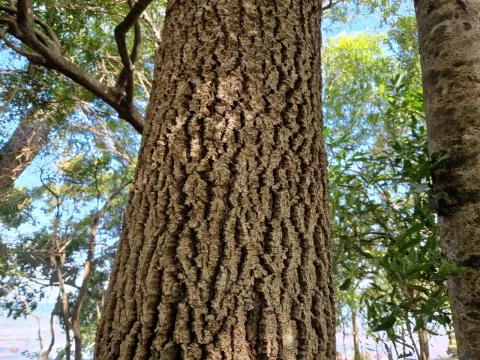
Myrocarpus
Myrocarpus
Myrocarpus is a genus of tropical trees belonging to the Fabaceae (legume) family. Native to South America, these species are highly regarded for their biological diversity and ecological role in natural forest stands.
What the section contains


Myrocarpus
The trees thrive in well-drained, nutrient-rich soils. They require a warm, frost-free climate to reach their full potential, showing a preference for environments with consistent moisture availability throughout the growing season.
Botanically, the genus is known for its hard, dense wood and the ability to produce fragrant essential oils. The trees typically exhibit a strong, upright growth habit, making them suitable for forest management and reforestation projects.
Agricultural techniques for Myrocarpus include careful site selection and the use of healthy seedlings. Proper spacing is essential to ensure adequate sunlight penetration and air circulation, which helps reduce the risk of structural deformities.
The primary economic value lies in its high-quality timber, often used in fine cabinetry and construction. Furthermore, extracts from the bark and wood have historical and modern applications in natural perfumery and traditional medicine.
The main threats to Myrocarpus populations include root rot caused by soil-borne pathogens in poorly drained areas. Additionally, wood-boring insects present a significant challenge to the health and structural integrity of the trees.