
Mucuna urens
Mucuna urens
Mucuna urens is a tropical climbing legume that thrives in warm climates without frost. Sowing is typically scheduled for the beginning of the rainy season to ensure optimal germination rates and initial establishment.
What the section contains
Mucuna urens
Seeds should be planted at a depth of 3 to 5 cm. Given the plant's vigorous climbing habit, maintaining a spacing of at least 60–90 cm between rows is essential for proper development and harvest accessibility.
In field production, providing sturdy trellises or supports is highly recommended. While the plant can climb on nearby vegetation, dedicated support structures facilitate better airflow and yield management.
Germination usually occurs within two weeks when soil temperatures remain consistently above 20°C. It is critical to keep the field clear of invasive weeds during the first month to allow the seedlings to establish a strong root system.
The fast growth rate of the vines allows them to create a canopy, which naturally suppresses competing vegetation after the initial establishment phase is complete.
As a member of the Fabaceae family, this species is well-known for its capacity for symbiotic nitrogen fixation. It prefers well-drained, fertile soil but demonstrates remarkable tolerance for poor or degraded soils.
The ideal climatic conditions involve tropical temperatures ranging from 20°C to 30°C. The plant is highly sensitive to cold and will cease growth entirely if exposed to temperatures approaching 10°C.
Full sun exposure is required for maximum vegetative growth and flower production. Shade from surrounding canopy can lead to spindly vines and significantly reduced yields of both biomass and pods.
Adequate soil moisture is necessary during active growth stages, yet the plants must be protected from waterlogged conditions, which may trigger root diseases and limit nitrogen fixation efficacy.
The plant acts as an excellent soil conditioner. Its deep rooting system helps improve soil structure and porosity, while the decomposition of fallen biomass contributes vital organic matter to the topsoil.
The primary agricultural output is biomass, often used as a green manure or cover crop. Yields of fresh biomass can exceed 30–40 tons per hectare under optimal tropical conditions.
The seeds are a valuable source of L-dopa, a precursor to neurotransmitters used in the treatment of neurological conditions. Grain yields typically reach 1.5–2 tons per hectare when managed as an industrial crop.
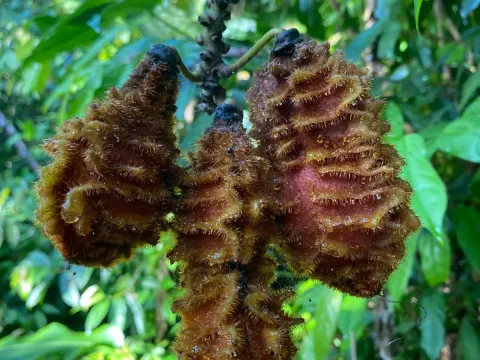
Pods are large and covered with stinging, irritating hairs, which require careful handling protocols during harvest. Mechanical separation is often employed to remove these hairs before further processing.
Post-harvest processing involves drying the pods and threshing the seeds. The drying phase is critical to prevent fungal growth in storage and to ensure the longevity of the biologically active compounds.
Beyond biomass and seed production, the plant is studied for its ability to suppress weeds and nematode populations in subsequent crop rotations, acting as a natural biological control agent.
Insect pests such as leaf-eating caterpillars are the most common threats to the crop's health. Heavy infestations can lead to significant defoliation and reduced photosynthesis efficiency.
Fungal diseases are a risk, especially during periods of high humidity. Diseases such as powdery mildew or root rot can spread rapidly if plant density is too high or if drainage is insufficient.
Root-knot nematodes can impact productivity by damaging the root system and interfering with nitrogen fixation. Crop rotation strategies are essential to minimize the build-up of these soil-borne pathogens.
Integrated Pest Management (IPM) practices are strongly recommended. This includes scouting for early signs of damage and prioritizing biological control over heavy pesticide use.
Maintaining adequate space between plants and ensuring good site sanitation are the most effective prophylactic measures against most common diseases affecting Mucuna species.
Harvesting is performed when pods transition from a green state to a dry, dark brown appearance. It is crucial to monitor the field to prevent excessive drying, which can cause pods to shatter and release seeds.
Personnel must wear full protective clothing during the harvest due to the irritating, hair-covered surface of the pods. These hairs can cause severe skin and respiratory irritation if not handled properly.
Once harvested, pods should be dried in a well-ventilated area. Rapid reduction of moisture content is required to maintain seed quality and prevent the development of spoilage organisms.
Mechanical threshers are often used to separate the seeds from the pods. Post-threshing, additional cleaning steps are required to ensure the final product is free from pod debris and stinging hairs.
Properly dried seeds should be stored in cool, dry conditions with low relative humidity. Under these conditions, the seeds maintain their phytochemical potency for an extended duration.