
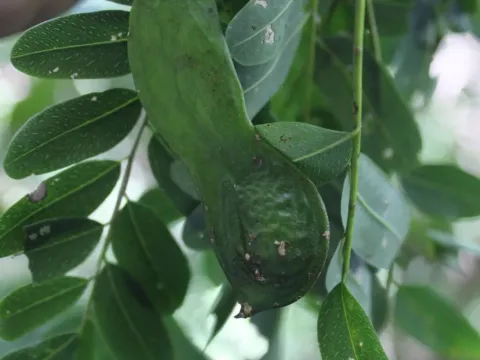
Myrospermum
Myrospermum
Myrospermum is a genus of tropical trees within the Fabaceae family, and its propagation usually involves planting seeds in specialized nurseries before transferring them to permanent plantation sites.
What the section contains

Myrospermum
Seeds of this species exhibit physical dormancy due to a hard coat, requiring mechanical or chemical scarification to facilitate germination and ensure uniform growth in the seedling stage.
The timing of sowing is generally aligned with the beginning of the rainy season to allow the root system to establish itself adequately before the intense dry months, which are characteristic of its native habitat.
Care must be taken to provide appropriate shade for young plants, as direct, intense tropical sun can damage developing foliage and reduce the survival rate of the seedlings in their first year.
As a long-lived perennial, the spatial arrangement of the trees is crucial during the initial planting phase, ensuring sufficient airflow and space for canopy development as the trees mature.
Myrospermum requires a stable tropical climate characterized by consistently high temperatures and significant annual precipitation to maintain healthy metabolic processes.
The ideal soil for this crop is deep, fertile, and well-drained, as waterlogging is highly detrimental and often leads to root rot, especially in younger, more vulnerable trees.
An optimal temperature range for this species falls between 22 and 30 degrees Celsius; deviation from these stable thermal conditions can impede the accumulation of secondary metabolites in the wood.
Humidity management is essential, and plantations are ideally located in regions where atmospheric moisture remains high throughout the year, supporting the tree's natural resin production mechanisms.
While mature trees can tolerate full sun exposure, they thrive best in agroforestry systems where they receive some protection during their developmental years, mimicking the conditions of their natural forest environment.
The primary economic output of Myrospermum is the aromatic balsam, commonly known as Balsam of Peru, which is produced as a stress-induced exudate from the tree's trunk.
Yields are highly dependent on the tree's age, with commercial harvesting typically commencing only after the plant has reached a sufficient stage of maturity, often at 10 to 15 years.
Proper harvesting techniques are critical; they should aim to stimulate resin production without causing excessive, irreversible damage that could kill the tree or attract wood-boring pests.
In addition to balsam, the tree produces pods, though their utility is often secondary to the value derived from the bark and resin, which are prized in the cosmetic and pharmaceutical industries.
Sustainable yield management involves balancing the frequency of resin collection with the plant's natural recovery cycles, ensuring that the tree remains productive over its long lifespan.
Myrospermum is susceptible to various fungal infections, particularly in the areas where the bark has been wounded for resin collection, requiring strict sanitary protocols.
Pests such as wood-boring beetles can significantly impact the health of a plantation, often creating entry points for secondary pathogens that weaken the internal structure of the tree.
Excessive humidity combined with poor canopy management can lead to the growth of harmful molds, which can spread rapidly if the trees are planted too closely together.
Integrated pest management strategies are necessary, focusing on regular monitoring, sanitation, and the use of natural fungicides to protect the health of the trees without compromising product quality.
- Frequent inspection of trunk wounds for signs of rot.
- Removal and proper disposal of diseased wood or bark.
- Promotion of airflow through strategic pruning of the canopy.
The harvesting of balsam is a meticulous process that involves shaving or wounding sections of the bark and applying absorbent rags to collect the exuding resin.
Once the rags are saturated, they are collected and subjected to solvent extraction or boiling to obtain the pure balsam, which is a staple product for the industry.
Seed harvesting is conducted when the legume pods reach physiological maturity, identified by the drying and natural splitting of the pod walls while still attached to the tree.
The harvest cycle must be carefully planned to ensure that trees have adequate recovery time, as harvesting too frequently depletes the plant’s energy reserves.
Post-harvest care, including the application of protective coatings to wounds, is vital for sealing the tree and preventing the ingress of insects and moisture-borne diseases.