
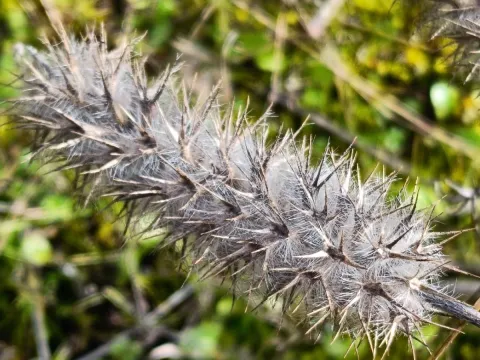
Narrow-leaf clover
Trifolium angustifolium
Sowing of narrow-leaf clover is typically carried out in early spring when the soil warms up to at least +5 to +8 degrees Celsius. The optimal time is immediately after the soil reaches physical ripeness, which ensures uniform germination and efficient use of winter moisture.
What the section contains
Narrow-leaf clover
To establish healthy stands, it is recommended to use a seeding rate of 10 to 15 kilograms per hectare. The sowing depth should be 1–2 centimeters, as the small seeds require careful seedbed preparation to ensure good soil contact.
In regions with milder climates, late-autumn sowing is possible, allowing plants to utilize the autumn-winter period to develop a robust root system. This promotes earlier growth in the spring and increases the overall competitiveness of the crop.
Site preparation begins with thorough weeding, as clover develops slowly in the early growth stages. Rolling the soil after sowing is critical to establish the optimal density of the topsoil layer for moisture retention.
If intercropping with forage grasses, the proportion of clover in the mixture should be between 30 and 50 percent. This creates a balanced feed composition and helps improve the structure of the soil profile across the field.
Narrow-leaf clover belongs to the Fabaceae family and is characterized by high adaptability to temperate climate conditions. The plant prefers well-lit areas, as shading leads to a sharp decrease in photosynthesis intensity and biomass productivity.
The crop has moderate requirements regarding soil texture, thriving in sandy loam and light loamy soils. The optimal soil pH level should be between 6.0 and 7.0 to facilitate the active work of nitrogen-fixing bacteria.
The plant demonstrates significant resistance to short-term drought periods due to its deep taproot system. However, to achieve maximum green mass yields, consistent rainfall is required during the active vegetative and budding stages.
Soils with high levels of available phosphorus and potassium promote better clover development and increase winter hardiness. If soil fertility is low, moderate applications of phosphorus-potassium fertilizers during pre-sowing cultivation are recommended.
An important success factor is the absence of waterlogging and stagnant snowmelt, which can cause crown rot. Fields with good natural drainage provide the most durable and long-lasting stands for this crop.
Green mass yield of narrow-leaf clover reaches 20–30 tonnes per hectare in favorable years when agronomic protocols are followed. The total harvest volume depends on the number of cuts, which are usually limited to two per season to avoid plant exhaustion.
Seed yield in specialized production ranges from 300–500 kilograms per hectare, provided there is an adequate population of pollinators. Timely harvesting of seed heads minimizes losses due to pod shattering.
When used in pasture systems, the crop shows stable productivity for 3 to 4 years. The high nutritional value of its leaves and stems makes this species a valuable component of the green forage supply in livestock operations.
Harvesting for hay is best performed during the full flowering phase, when protein and vitamin content in the plants is at its peak. Delaying the harvest results in coarse stems and a significant loss of nutritional value for livestock.
Overall stand productivity is directly correlated with plant density and the timeliness of fertilization. Effective management of the pasture or hay field allows for maintaining productive longevity at an optimal level.
Typical diseases for this species include powdery mildew and various leaf spot pathogens that develop under high humidity. To prevent epiphytotics, it is essential to follow crop rotation practices and avoid over-dense seeding.
Among pests, clover root weevils represent the greatest threat, damaging the root system and foliage during early growth stages. Furthermore, clover seed chalcids can cause substantial damage by reducing overall seed yield quality.
When signs of pest infestation appear, timely insecticide applications in strict accordance with ecological standards are recommended. Using biological control methods helps reduce the pesticide load on the surrounding agro-ecosystem.
Adhering to spatial isolation rules between fields of different ages helps prevent the mass spread of specific fungal infections. Regular phytosanitary monitoring allows for the early detection and localization of infection hotspots.
Resistance to diseases is also increased by using high-quality certified seeds that have undergone preliminary fungicidal treatment. This protects seedlings from a wide spectrum of soil-borne pathogens.
Hay harvesting begins at the start of the full flowering phase, when plants have accumulated maximum nutrients. Mowing should be done at a height of 5–7 centimeters to ensure rapid regrowth of the aftermath.
During hay drying, it is important to use active ventilation or tedding to prevent the loss of leaves, which contain the primary protein reserves. High-quality hay retains its green color and pleasant aroma after drying.
Seed harvesting is performed using a two-stage method, starting when 60–70 percent of the flower heads have turned brown. This prevents premature seed shattering caused by mechanical stress during harvest operations.
After threshing, the seed mass requires immediate cleaning and drying to a standard moisture content of no more than 13 percent. Proper storage in dry warehouse conditions guarantees the maintenance of viability until the next season.
The final seasonal cut must be performed no later than 30–40 days before the onset of persistent frosts. This allows the plants to accumulate sufficient carbohydrate reserves in their root systems for successful overwintering.