
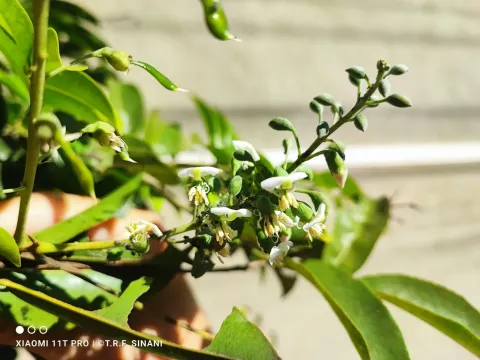
Myroxylon peruiferum
Myroxylon peruiferum
Propagation of Myroxylon peruiferum is primarily performed using seeds in nursery settings. Seeds exhibit short viability and must be planted immediately after collection to ensure high germination rates.
What the section contains
Myroxylon peruiferum
The substrate in the nursery containers should be well-draining and rich in organic matter. Maintaining a steady temperature between 25 and 28 degrees Celsius is essential for successful seedling development.
Transplanting saplings into permanent plantation sites should ideally coincide with the onset of the rainy season to allow the root system to establish without moisture stress.
Young trees require protection from direct sunlight during the first two years, often achieved through the use of nurse trees or shade cloth setups.
Planting density is crucial for long-term productivity, with recommended spacing of 7–9 meters between trees to allow for optimal crown development and adequate airflow.
Myroxylon peruiferum is a magnificent evergreen tree belonging to the Fabaceae family. It thrives in tropical climates characterized by high humidity and consistent warm temperatures throughout the year.
The species requires deep, fertile, and well-drained soils. It is intolerant of waterlogged conditions, which can lead to severe root damage and stunted growth.
High levels of rainfall are preferred, ideally around 2000 millimeters per year, although the trees show moderate drought tolerance once fully established.
The tree prefers sheltered locations away from strong, drying winds, which can cause significant damage to the foliage and affect the tree's health.
Optimal growth is typically observed at elevations ranging from sea level to 800 meters, where the environmental conditions remain stable and conducive to growth.
Root rot pathogens are the most significant threats to Myroxylon plantations, especially in poorly drained soils where stagnant water accumulates.
Wood-boring insects can cause extensive damage to the trunk, which not only lowers the timber quality but also weakens the tree's ability to produce balsam.
Preventive maintenance, including the removal of deadwood and monitoring for early signs of infestation, is essential to maintain the health of the stand.
Biological controls are preferred over synthetic pesticides, as the latter can contaminate the resin and reduce its market value for pharmaceutical applications.
Unsustainable extraction methods, such as excessively deep tapping, can severely stress the trees and predispose them to secondary infections and long-term decline.
The primary economic output of Myroxylon peruiferum is Peruvian balsam, which is harvested from trees that have reached at least 20 to 25 years of age.
The extraction process involves carefully wounding the bark and applying heat or cloth wraps to absorb the aromatic resin that bleeds from the tree.
Beyond the balsam, the wood of the tree is highly regarded for its density, durability, and pleasant aroma, making it an excellent choice for luxury cabinetry and furniture.
Harvesting techniques require skill and precision to ensure that the tree remains productive for many years without suffering from over-exploitation.
The raw balsam must undergo rigorous purification and filtration processes to remove bark fragments and impurities before it is ready for export and industrial use.