
Myrocarpus frondosus
Myrocarpus frondosus
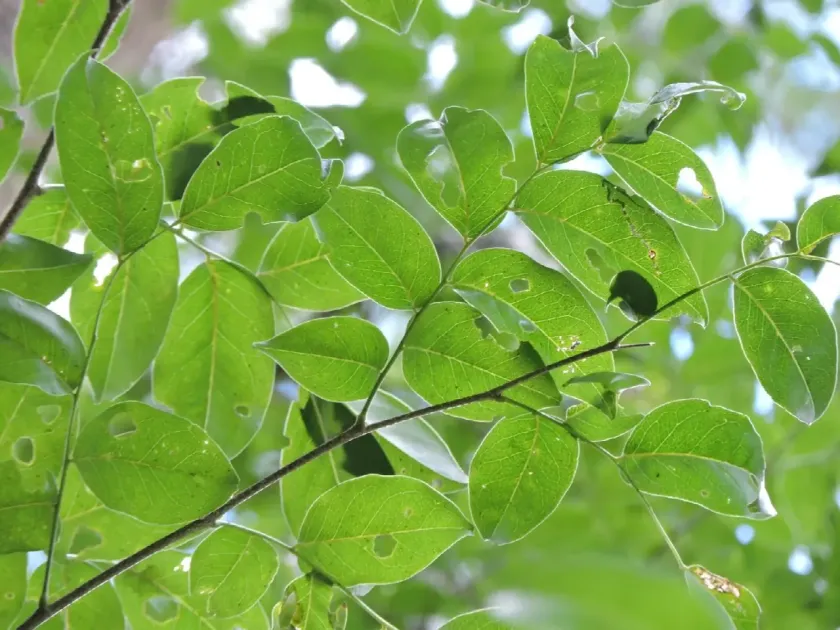
Description
Growing requirements
Myrocarpus frondosus, commonly known as cabreuva, is a large deciduous tree belonging to the Fabaceae family. It is a vital component of the Atlantic Forest biomes in South America, primarily flourishing in Brazil, Paraguay, and parts of Argentina.
The tree requires a humid tropical or subtropical climate with well-defined seasonal variations. It performs best in deep, fertile, and well-drained soils, which allow for healthy root expansion and nutrient uptake while preventing waterlogging issues.
Temperature management is crucial as the species is sensitive to extreme frosts. It thrives in regions where temperatures remain consistently warm throughout the year, facilitating steady growth and accumulation of biomass.
Light requirements are age-dependent. Young saplings thrive in understory conditions with filtered light, whereas mature specimens require full sun exposure to maximize photosynthetic efficiency and develop a strong, symmetrical canopy.
Effective forest management practices involve careful site selection and the removal of competing weeds during the establishment phase. Proper spacing is essential to ensure that each tree has sufficient room for crown development and nutrient access.
Yield
The primary economic value of Myrocarpus frondosus is its high-quality timber. Known as cabreuva, the wood is highly prized in furniture manufacturing and construction due to its exceptional density, durability, and natural resistance to decay.
Yield estimation is primarily based on log volume and quality over a long-term harvest cycle. While its growth rate is relatively slow compared to fast-growing exotic species, the premium market price for its timber justifies long-term investment.
Beyond timber, the tree is a significant source of fragrant essential oils extracted from the bark and wood. These oils are utilized in high-end perfumery and pharmaceutical applications, adding a secondary revenue stream for producers.
In agroforestry settings, the tree plays an ecological role by fixing atmospheric nitrogen, thereby improving soil fertility for the surrounding ecosystem. This contributes to sustainable land use and rehabilitates degraded agricultural plots.
Future demand for sustainably harvested tropical hardwoods keeps Myrocarpus frondosus a focus of interest for forestry projects aiming to balance economic profitability with environmental responsibility.
Main diseases and pests
The main threats to plantations include fungal infections that target the bark and inner wood, particularly in high-humidity environments. These pathogens can compromise the integrity of the timber, leading to significant economic losses during harvesting.
Pests, particularly wood-boring insects, represent a major concern during the sapling and pole stages of growth. These insects can tunnel through the cambium layer, weakening the tree and opening pathways for secondary infections.
Root rot caused by poor soil drainage remains a critical risk factor. Once established, root diseases are difficult to treat, making preventative measures such as site grading and proper water management essential for the plantation's health.
Invasive weed species can rapidly outcompete young Myrocarpus frondosus trees for light and soil nutrients. Regular mechanical weeding or controlled vegetation management is required until the trees reach a height where they can dominate the canopy.
- Wood-boring insect infestations
- Fungal stem and bark diseases
- Root rot due to poor site drainage
- Competition from aggressive invasive weeds