
Myrocarpus fastigiatus
Myrocarpus fastigiatus
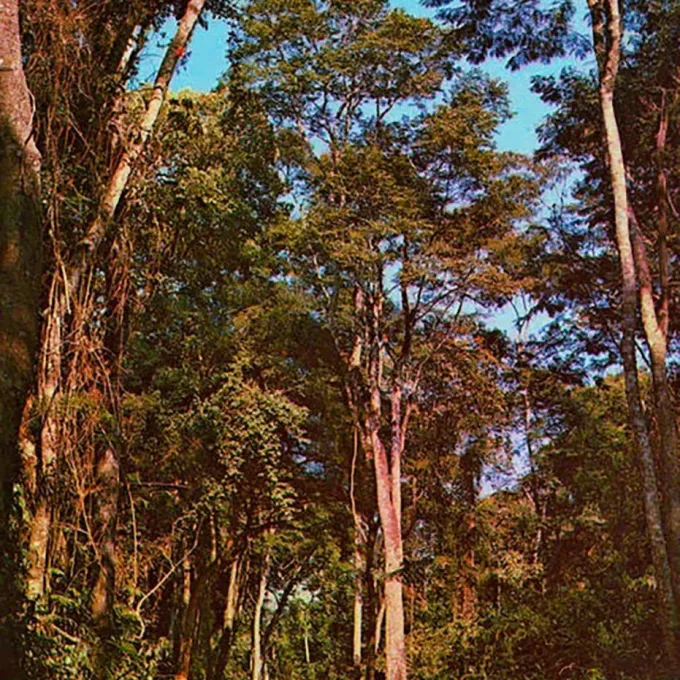
Description
Growing requirements
Myrocarpus fastigiatus is a distinctive tree species belonging to the Fabaceae family. Known for its upright growth habit, it is highly valued in its native South American regions for both its ecological role and its premium-quality hardwood.
This species is native to countries like Brazil and Argentina, where it thrives in subtropical climates. It is adapted to regions characterized by distinct wet and dry seasons, demonstrating resilience in various light conditions, though full sun exposure is preferred for maximum growth.
Soil requirements for this culture are specific: it thrives best in deep, well-drained loamy soils. While it can tolerate short periods of drought, irrigation is recommended during the establishment phase to ensure the development of a strong root system.
Agronomic practices for Myrocarpus fastigiatus focus on density management. Proper spacing is essential to encourage straight trunk formation, which is critical for maximizing the future timber yield. Early-stage pruning is often implemented to improve structural integrity.
Economically, the wood of this tree is classified as a high-value timber, prized for its durability, resistance to rot, and attractive visual appearance. It is widely used in high-end cabinetry, fine furniture manufacturing, and decorative interior design projects.
Main diseases and pests
Primary threats to the health of these trees include soil-borne fungal pathogens. Poor drainage or waterlogged conditions typically trigger root decay, necessitating careful site selection before planting.
Several types of wood-boring beetles represent a significant risk to timber plantations. Monitoring for entry holes in the bark is crucial for early detection and prevention of widespread infestation.
Leaf-eating insects can hinder photosynthesis in young saplings, slowing growth rates. Integrated pest management strategies, focusing on early intervention, are usually sufficient to manage these populations.
Environmental stress, such as extreme heat combined with moisture deficit, can make trees more susceptible to opportunistic diseases, which further emphasizes the importance of maintaining proper soil health.
Sanitation is a key component of disease control; removing fallen debris and infected branches promptly prevents the buildup of fungal inoculum within the plantation area.