
Myroxylon
Myroxylon
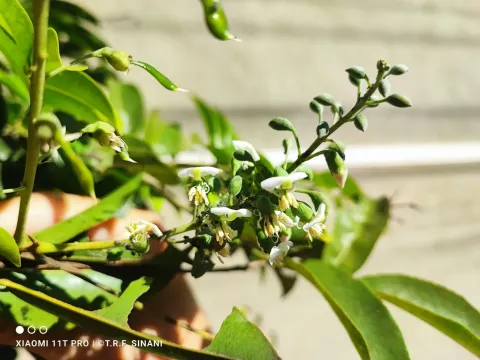
Myroxylon is a genus of trees belonging to the Fabaceae (legume) family. The most prominent species, Myroxylon balsamum, is a tall, evergreen tree native to the tropical forests of Central and South America.
What the section contains

Myroxylon
These trees are strictly tropical, requiring consistent high temperatures and high humidity levels throughout the year. They cannot survive frost and thrive best in environments where rainfall is abundant.
Regarding soil requirements, Myroxylon demands well-drained, nutrient-rich soils. While they are resilient in their native habitats, they struggle in compacted or waterlogged soils, which promote root rot.
Botanically, the tree is characterized by pinnate leaves and a thick, aromatic bark. The bark contains complex resinous ducts that produce the substance commercially known as balsam.
Cultivation practices involve selecting suitable sites with adequate canopy cover for young saplings. As the trees mature, they require significant spacing to support their massive height and crown development.
The primary economic focus of Myroxylon cultivation is the extraction of Peruvian balsam. This is achieved by carefully exposing sections of the bark to heat and making specific incisions to collect the exudate.
Beyond balsam production, the tree is highly valued for its dense, durable, and decay-resistant timber. It is a preferred material for high-end furniture, fine carpentry, and heavy-duty construction.
In the medical and pharmaceutical sectors, the resin is utilized for its potent antiseptic, analgesic, and wound-healing properties. It remains a key ingredient in traditional and modern dermatological formulations.
The perfume industry relies on Myroxylon balsam as a critical fixative, which helps stabilize volatile scents and increases the longevity of fragrances in beauty products.
Sustainable harvesting is essential. By employing non-destructive techniques, cultivators ensure that the tree continues to grow and produce resin for decades, balancing production with forest health.
Myroxylon faces threats primarily from fungal pathogens that target the roots under conditions of poor drainage. These infections can inhibit nutrient uptake and eventually lead to tree mortality.
Wood-boring insects present a significant challenge. By tunneling into the trunk, these pests undermine the structural integrity of the timber and can create entry points for secondary bacterial infections.
Improper tapping methods are a common cause of tree weakness. If the incisions are too deep or tools are not sanitized, the tree becomes vulnerable to infestations and local tissue necrosis.
Environmental stress, such as uncharacteristic seasonal droughts, can reduce the tree's vigor. Weakened trees are significantly more susceptible to outbreaks of pests that thrive in tropical ecosystems.
Integrated pest management, including the use of natural predators and regular monitoring of tree health, is the best strategy for maintaining productive and resilient Myroxylon plantations.