
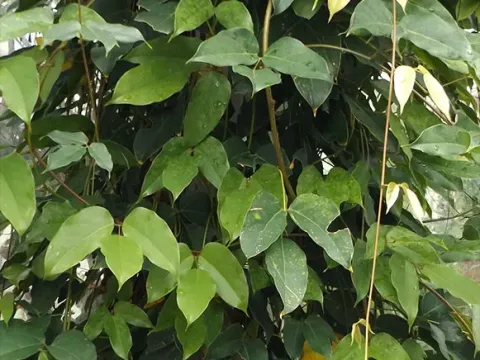
Mucuna sempervirens
Mucuna sempervirens
Mucuna sempervirens is a heat-loving tropical crop, and sowing should only occur after the soil has thoroughly warmed up. In temperate regions, it is essential to wait for stable daily average temperatures above +18°C to ensure successful germination.
What the section contains
Mucuna sempervirens
Adequate soil moisture is critical for the initial growth stage. It is recommended to soak the seeds for 12 to 24 hours prior to planting, as the tough seed coat can otherwise delay the emergence of seedlings under field conditions.
The optimal planting depth is between 3 and 5 centimeters. When sowing, it is important to maintain sufficient row spacing to accommodate the plant's vigorous climbing habit, which requires substantial space for proper development.
In commercial cultivation, row seeding is the preferred method. Utilizing precision seeders helps ensure uniform seed distribution and consistent depth, which is the foundation for a synchronized and healthy crop stand.
Applying a small dose of starter fertilizer can help accelerate growth in the early stages. Once established, the crop's ability to fix atmospheric nitrogen reduces the need for synthetic nitrogenous fertilizers.
As a member of the Fabaceae family, Mucuna sempervirens thrives in well-drained, fertile loamy or sandy soils. The plant is highly sensitive to waterlogging, which can quickly lead to root rot and other soil-borne diseases.
High levels of sunlight and a frost-free environment are mandatory for this species. Even a brief exposure to freezing temperatures can cause irreversible damage to the aerial parts of the plant and terminate its growing season.
Providing trellises or supports is essential for optimal growth. If left to grow on the ground, the foliage suffers from poor air circulation, increasing the risk of fungal infections and decreasing overall photosynthetic capacity.
The plant demonstrates good tolerance to short dry spells due to its robust taproot system. However, for maximum biomass production, supplemental irrigation is necessary during the phases of peak vegetative growth.
Soil pH plays a significant role in the plant's development; it prefers neutral to slightly acidic conditions. In highly acidic environments, the efficacy of the symbiotic relationship with nitrogen-fixing bacteria is often impaired.
Root rot is the most common threat to Mucuna sempervirens, typically resulting from poor drainage or excessive irrigation in cool weather conditions. Maintaining a proper watering regime is the primary preventive measure.
In dense stands, powdery mildew can become a significant issue. This fungal disease manifests as a white, dusty layer on the leaves, which hinders plant vigor and leads to a reduction in total biomass accumulation.
Pests such as spider mites can inflict severe damage during dry, hot periods. Left unmanaged, these infestations can lead to premature leaf drop and stunted shoot growth, impacting the crop's overall yield.
Various moth larvae, specifically noctuid caterpillars, are known to feed on the foliage and young pods. Consistent field monitoring during the growth season is vital to identify and address infestations early.
To prevent the buildup of pathogens, agronomists strongly advise implementing a strict crop rotation cycle, avoiding planting Mucuna in the same spot for at least 3 to 4 years. Effective weed control is also necessary.