
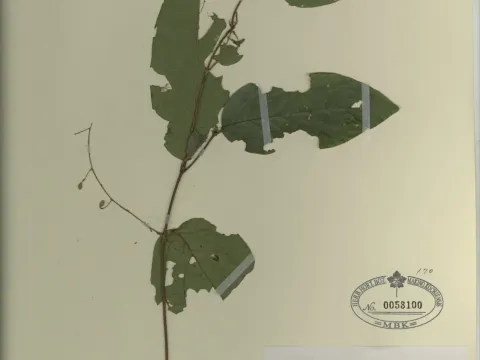
Desmodium zonatum
Desmodium zonatum
Desmodium zonatum is a perennial herbaceous plant belonging to the Fabaceae family. It is recognized for its significant role in nitrogen fixation, which serves as a natural fertilizer source, thereby enhancing the overall nutrient status of the soil in agricultural landscapes.
What the section contains
Desmodium zonatum
The plant originates from tropical and subtropical climates and thrives in environments where warm temperatures are maintained throughout the growing season. It requires well-drained soil and exhibits a strong intolerance to waterlogging, necessitating proper site selection and drainage management.
Regarding soil preferences, Desmodium zonatum demonstrates versatility across various soil types, including sandy loams and clay soils, provided the pH levels remain within a neutral to slightly acidic range. Adequate soil aeration is crucial for the optimal proliferation of root nodules.
In terms of agrotechnical management, the crop requires careful weed control during the establishment phase, as initial growth rates can be relatively slow. Once the canopy closes, the dense vegetation cover effectively suppresses weeds, reducing the need for mechanical or chemical interventions.
The crop is known for its shade tolerance, making it an excellent candidate for intercropping systems. This feature allows farmers to integrate it within orchards or agroforestry projects, maximizing land use efficiency while protecting the soil from erosion.
Desmodium zonatum is highly valued as a high-protein forage crop for livestock. The nutritional profile of its foliage makes it an excellent supplement for cattle, sheep, and goats, contributing to improved weight gain and overall animal health during dry seasons.
As a green manure crop, it provides substantial benefits to subsequent agricultural cycles. By incorporating the biomass into the soil, farmers can significantly increase organic matter content and improve soil structure, leading to higher yields of following crops.
The plant's root system acts as an efficient biological pump, breaking up compacted soil layers and increasing water infiltration. This contributes to better moisture retention in the field, which is particularly beneficial in regions prone to seasonal droughts.
Potential pharmaceutical applications have also been noted, as the chemical composition of Desmodium zonatum contains various bioactive compounds. These substances are being studied for their pharmacological properties, suggesting a value-added role for the crop beyond traditional feed.
Farmers can achieve consistent biomass yields through proper mowing management, which stimulates vegetative regrowth. Regular harvesting at the peak of nutrient density ensures that the quality of the harvested material remains high for fodder production purposes.