
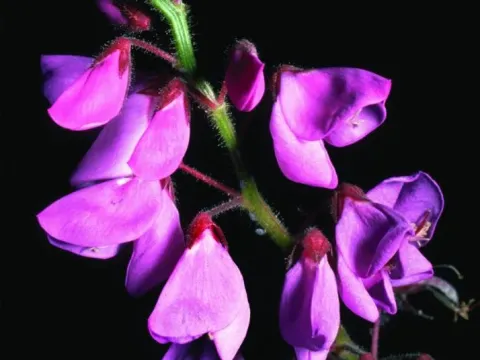
Desmodium vargasianum
Desmodium vargasianum
Desmodium vargasianum is a perennial legume species within the Fabaceae family, recognized for its significant role in sustainable agriculture and soil nitrogen enrichment. It is a highly productive plant in various tropical environments.
What the section contains
Desmodium vargasianum
Native to South America, the species thrives in diverse habitats, showing excellent shade tolerance. This specific trait makes it an ideal candidate for agroforestry systems and mixed pasture management, allowing for growth under tree canopies.
The crop prefers well-drained, fertile soils with a moderate pH level. It requires stable ambient temperatures and adequate precipitation throughout the growing season to reach its maximum biomass potential and nitrogen-fixing capacity.
Botanically, it features a deep taproot system that aids in soil structure improvement and nutrient cycling. The foliage is high in crude protein, which significantly enhances its value as a feed supplement for livestock.
Agricultural use centers on its dual functionality: acting as a high-quality forage crop and serving as a green manure to restore soil health in depleted agricultural plots, promoting sustainable long-term land use.
Fungal pathogens causing root rot are the primary threat to the crop, particularly in areas with poor drainage or during extended rainy seasons. Maintaining proper soil moisture balance is critical to prevent such infections.
Insect pests, specifically leaf-eating beetles and caterpillars, can cause substantial damage to the foliage, thereby reducing photosynthetic efficiency and limiting the final harvest volume of the legume.
Weed competition presents a significant challenge during the initial establishment phase. Young seedlings are sensitive to overcrowding, requiring careful field monitoring and early intervention to ensure successful stand development.
Soil-borne pests like nematodes may occasionally affect the root systems, impacting the overall plant vigor and nitrogen fixation efficiency. These pests require integrated pest management strategies for effective control.
Environmental stress, such as extreme temperature fluctuations, can further weaken the plants, making them more susceptible to secondary disease outbreaks. Consistent field management and proper fertilization are key to sustaining resilience.