
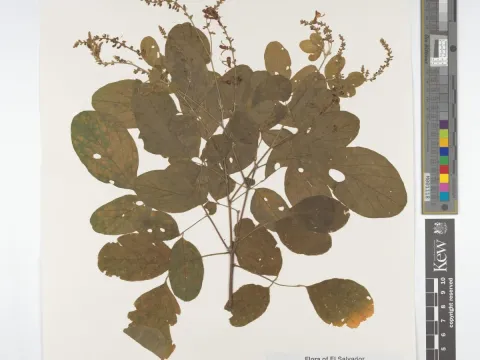
Desmodium sericophyllum
Desmodium sericophyllum
Desmodium sericophyllum is a perennial herbaceous plant belonging to the Fabaceae family. It is a well-adapted tropical species that thrives in regions with significant annual rainfall.
What the section contains
Desmodium sericophyllum
Sowing times are strictly dictated by the onset of the rainy season, as the seeds require consistent moisture for optimal germination. The soil temperature should remain stable above 20-22 degrees Celsius for successful establishment.
Seed scarification is often recommended prior to sowing to overcome the hard seed coat, which can otherwise delay germination. Seeds should be planted at a depth of 1 to 2 centimeters in a well-prepared seedbed free from weeds.
Row planting is the preferred method, ensuring adequate spacing for the development of a robust root system. Proper soil-to-seed contact is essential to ensure uniform emergence across the field.
The plant demonstrates high germination energy under appropriate conditions, allowing for rapid formation of the initial stand. Post-emergence, it is critical to protect young plants from weed competition until they establish a canopy.
The species requires tropical or subtropical climates for optimal growth. It is highly sensitive to cold temperatures and cannot survive frost, which causes severe damage or death to the aerial parts of the plant.
It is generally tolerant of various soil conditions but prefers well-drained loams or sandy loams with slightly acidic to neutral pH levels. The plant is well-adapted to nutrient-poor soils due to its ability to fix atmospheric nitrogen via symbiotic bacteria.
Ideal soil pH ranges from 5.5 to 6.8. While the plant performs best under high moisture conditions, it possesses moderate drought tolerance compared to other tropical legumes.
Light availability is a crucial factor for growth; while it can tolerate partial shade in agroforestry systems, maximum biomass production is achieved in full sunlight. Significant shade leads to reduced vigour.
Agronomic management includes the application of phosphorus and potassium fertilizers to support root development and nitrogen fixation processes. Nitrogen fertilization is rarely required for established stands.
The primary use of the crop is for high-protein forage production. The foliage is highly palatable to cattle and offers an excellent nutritional profile for livestock diets.
Desmodium sericophyllum is widely utilized as a cover crop in plantation agriculture. It provides significant benefits by reducing soil erosion, suppressing weeds, and maintaining soil moisture levels.
When integrated into pastures, the crop shows good recovery potential after grazing. However, intensive continuous grazing can reduce its persistence, making rotational grazing the recommended management strategy.
The biological value of the plant lies in its ability to improve soil fertility through nitrogen fixation. Following the crop's cycle, the residues decompose quickly, enriching the soil with organic matter.
Yields of dry matter vary significantly based on soil fertility and water availability, typically ranging from 5 to 15 tonnes per hectare under optimal agronomic conditions.
Common diseases include fungal infections such as anthracnose and powdery mildew, which thrive in humid conditions with poor air circulation. Providing adequate spacing is a key preventative measure.
Insect pests, including various beetles and lepidopteran larvae, can cause significant damage to foliage. Early identification and monitoring are essential to prevent widespread outbreaks.
Nematodes may pose a threat to the root system, particularly in sandy soil profiles. Crop rotation and the use of clean, certified planting materials are the primary defenses against soil-borne pathogens.
Viral diseases transmitted by aphids and leafhoppers can also impact productivity. Infected plants often show stunted growth and leaf deformation, requiring removal of affected areas.
Integrated pest management (IPM) practices, including the use of resistant varieties where available and strategic pesticide application, are recommended for long-term field health.
Harvesting for hay should occur during the budding to early flowering stage to maximize protein content. Delaying the harvest leads to lignification of stems and decreased nutritional quality.
Cutting height should be maintained at 5–10 centimeters above the soil surface to encourage regrowth from the basal buds of the plant.
During hay production, careful drying is required to prevent excessive leaf shatter, as the leaves contain the highest concentration of nutrients. Avoid over-drying in direct sunlight.
The crop can also be ensiled in combination with grasses to create a balanced feed ratio for livestock, providing both energy and protein in a single ration.
Seed harvesting is conducted as the pods reach maturity. Due to uneven ripening, manual labor or multiple passes with machinery are often necessary to minimize yield losses from seed shattering.