
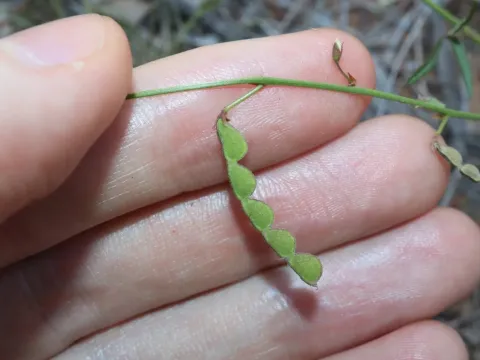
Desmodium varians
Desmodium varians
Planting Desmodium varians is best conducted during the spring when soil temperatures consistently reach 15-18 degrees Celsius. Timing is crucial to avoid the risk of late frosts, which can damage emerging seedlings.
What the section contains
Desmodium varians
Seeds should be sown at a shallow depth of 1-2 centimeters. Achieving good soil-to-seed contact is essential for uniform germination and establishment, often requiring light rolling after the sowing process.
A row spacing of 15-20 centimeters is recommended for optimal plant density in agricultural settings. This spacing allows sufficient airflow and reduces competition for light during the early growth phase.
Inoculation with specific nitrogen-fixing bacteria is highly recommended before sowing to ensure the legumes can efficiently convert atmospheric nitrogen into nutrients for growth and soil enrichment.
When overseeding into existing pastures, it is important to mow or graze down the existing vegetation first to ensure the Desmodium seedlings receive enough light to establish themselves successfully.
Desmodium varians, a member of the Fabaceae family, is valued for its nitrogen-fixing capabilities and adaptability. It thrives in well-drained, fertile soils but displays resilience across various textures, from loamy to sandy soils.
The plant demonstrates moderate drought tolerance; however, for maximum biomass production, regular moisture is required. It performs best in areas with annual rainfall between 600 and 900 millimeters.
Light exposure is a critical requirement, as Desmodium varians does not tolerate heavy shading. Therefore, it is best utilized in open pastures or mixed stands where it can capture sufficient sunlight.
It prefers a temperate climate and is sensitive to extreme, prolonged heat, which may require supplemental irrigation to maintain healthy growth and prevent plant stress.
Soil nutrient status, particularly phosphorus and potassium, is important for root development and overall plant vitality. Soil testing is recommended to ensure adequate levels of these essential minerals are available.
The biomass yield of Desmodium varians depends heavily on management intensity and environmental conditions. It is known for its excellent regrowth potential after grazing or mowing events.
When managed correctly, the crop provides high-quality forage rich in protein. It is a productive component of grazing systems, particularly during the active growing seasons of the year.
Productivity is maintained through a rotational grazing strategy that allows plants sufficient rest time to recover and replenish carbohydrate reserves in their roots and crowns.
The nitrogen-fixing ability of this legume reduces the need for synthetic nitrogen fertilizers, making it an economically and ecologically sustainable choice for pasture development.
Avoiding overgrazing is critical for sustained yields. By maintaining appropriate stocking rates, land managers can ensure the long-term health and productivity of the Desmodium stands.
Desmodium varians is generally hardy, but excessive humidity can lead to fungal leaf spots. Good site selection with proper drainage is the most effective preventative measure against these diseases.
Insect pests such as weevils can damage flowers and seeds, potentially impacting reproductive success. Regular field scouting helps identify issues early and allows for targeted management if necessary.
Root-knot nematodes may pose a threat in intensive monoculture settings. Integrating diverse crop rotations is the primary strategy to suppress the population of these soil-borne pests effectively.
Aphid infestations can occur during dry spells, weakening plants. Promoting beneficial insect populations around the fields often helps keep these pest levels under control naturally.
Overall plant vigor is the best defense against pests and diseases. Maintaining a healthy stand through proper nutrient management and sound grazing practices significantly reduces susceptibility to biotic stresses.