
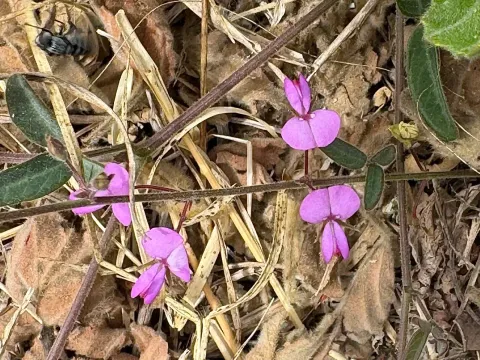
Desmodium scorpiurus
Desmodium scorpiurus
Desmodium scorpiurus is a tropical legume, and its sowing schedule is strictly dictated by the onset of the rainy season. Planting should occur when soil moisture is adequate to support germination and the soil temperature has reached optimal levels for vigorous growth.
What the section contains
Desmodium scorpiurus
Seeds are relatively small, which necessitates shallow sowing, ideally no deeper than 1 to 2 centimeters. Proper soil contact is essential; therefore, rolling the field after sowing can significantly enhance germination uniformity and field emergence.
In regions with a distinct dry season, sowing must be timed to ensure the plant establishes a robust root system before the onset of drier conditions. This early establishment period is crucial for the long-term survival of the crop in varied environments.
Interseeding into existing grasslands is a common practice to improve forage quality. When doing so, it is vital to time the sowing during a period when the dominant grasses are growing slowly to reduce interspecific competition for light and nutrients.
Seed rates should be carefully calculated based on seed viability and the intended density of the sward. A well-established stand will be more resilient to environmental stress and will better compete against invading weed species.
As a member of the Fabaceae family, Desmodium scorpiurus is a trailing or climbing perennial herb. It thrives in tropical and subtropical climates, preferring high temperatures and consistent moisture throughout the growing cycle.
The plant demonstrates good adaptation to a variety of soils, though it performs best in well-drained, fertile loams. It is known to tolerate slightly acidic soil conditions and can effectively grow in areas where phosphorus availability might be limited.
One of the key agronomic benefits of this plant is its ability to fix atmospheric nitrogen through symbiotic relationships with Rhizobium bacteria. This biological nitrogen fixation reduces the need for external nitrogen inputs and enhances soil health.
Sunlight requirements are relatively high; the plant exhibits optimal growth rates in full sun. While it can tolerate partial shade, productivity, and biomass accumulation are generally higher in open areas where the photosynthetic capacity is maximized.
Good soil management practices, including the application of phosphorus and potassium where necessary, support healthy growth. Ensuring proper drainage is essential, as the species is susceptible to root diseases if subjected to prolonged waterlogging.
The biomass yield of Desmodium scorpiurus is highly dependent on management strategies, such as the frequency of defoliation or grazing intensity. Under proper conditions, it produces a dense, nutrient-rich cover suitable for various livestock.
As a forage crop, it is highly valued for its protein content, which contributes significantly to the dietary needs of ruminants. It serves as an excellent complement to grass-based pastures, improving the overall balanced intake for grazing animals.
To maximize yields, a managed grazing or harvesting system is recommended. Allowing the plants to recover after grazing or cutting is vital to replenish root reserves, which ensures the persistence of the crop over several years.
The nutritional profile of the leaves makes them an excellent supplement during seasons when grass quality typically declines. By integrating this legume into a pasture, producers can stabilize the nutritional quality of their forage supply year-round.
When managed effectively, the crop can persist for several years, maintaining productivity if it is not overgrazed. Periodic evaluation of the sward density helps in adjusting the management plan to keep the yield at optimal levels.
Fungal diseases, including leaf spot pathogens, are the primary threats, especially during periods of high humidity and poor airflow. Preventive measures include maintaining appropriate plant spacing and avoiding overcrowded swards.
Insect pests, such as lepidopteran larvae and beetles, can cause significant damage to the foliage. These pests reduce the photosynthetic area, which directly impacts the plant's ability to fix nitrogen and store energy for regrowth.
Integrated pest management (IPM) is the preferred approach, focusing on biological controls and cultural practices to minimize chemical use. This is particularly important when the crop is utilized as an active pasture for grazing livestock.
Root rots pose a significant risk, typically occurring when soil drainage is poor. Ensuring that the site is well-drained is the most effective cultural strategy to mitigate the risk of soil-borne pathogens and root-related stress.
Weed control is primarily a concern during the seedling stage. Once established, Desmodium scorpiurus forms a dense mat that acts as a natural suppressant for many common weeds, reducing the need for intensive weeding operations as the stand matures.