
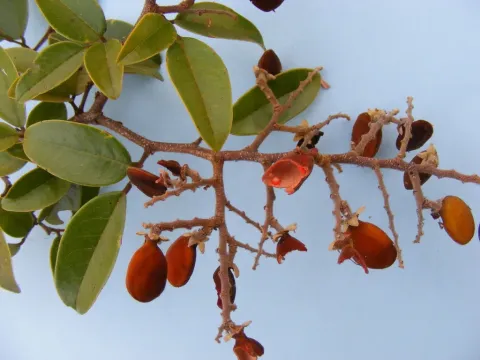
Dialium angolense
Dialium angolense
Dialium angolense is a tropical tree species belonging to the Fabaceae family. Naturally distributed across various African regions, it is known for its ecological resilience and significant contribution to local agricultural systems.
What the section contains
Dialium angolense
The tree thrives in tropical climates where temperatures remain consistently warm throughout the year. It requires full sun exposure and deep, well-draining soils to maintain healthy growth rates and achieve optimal fruit production.
Regarding soil preferences, the plant adapts well to a variety of substrates, including sandy or loamy soils. It prefers neutral to slightly acidic pH levels and requires adequate nutrient availability to support its long-term development.
Agrotechnical practices involve protecting seedlings from competing weeds during the early establishment phase. Once mature, the tree demonstrates high durability and requires minimal intervention, provided it is planted in suitable environmental conditions.
The economic value of this species is primarily derived from its edible fruits, which are a vital food source in its native range. Furthermore, its hardwood is highly regarded in local industries for construction and traditional craft making.
Fungal infections pose a primary threat to the health of the trees, especially when prolonged rainy seasons create high humidity levels that favor pathogen growth. Foliar and bark diseases are common indicators of these issues.
Various insect pests, including wood-boring beetles and caterpillars, can significantly impact the plant's health and reduce harvest quality. Implementing integrated pest management strategies is essential for effective population control.
Root rot caused by poor soil drainage represents a major danger, particularly in nursery settings or young plantations. Maintaining proper site drainage is crucial for preventing waterlogging and protecting the root system.
Environmental degradation, such as deforestation, threatens the wild population of Dialium angolense. Conservation efforts are necessary to preserve the genetic diversity and ecological presence of the species.
Drought stress can weaken the trees, making them more susceptible to subsequent infestations and illnesses. Adaptive irrigation techniques during exceptionally dry seasons can help sustain tree health and immunity.