
Desmodium sequax
Desmodium sequax
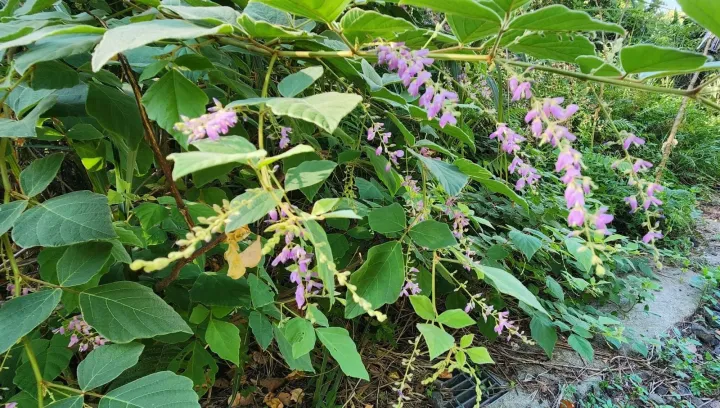
Description
Growing requirements
Desmodium sequax is a perennial shrub belonging to the Fabaceae family. It is highly valued in agricultural systems for its nitrogen-fixing capabilities and the substantial nutritional quality of its biomass.
The native habitat of this plant includes tropical and subtropical regions of Asia, specifically extending across the Himalayan foothills. The plant thrives in humid environments and exhibits vigorous growth under stable, warm temperatures.
To ensure successful cultivation, farmers should select well-drained soils with a neutral or slightly acidic pH level. While the plant shows some tolerance to dry conditions, optimal biomass production is achieved during seasons with consistent rainfall.
Agricultural management practices involve thorough land preparation to clear weeds and ensuring adequate exposure to sunlight. The plant is sensitive to waterlogging, necessitating the avoidance of sites with poor drainage or high water tables.
The primary agricultural use of Desmodium sequax is as a source of high-protein forage for livestock. Additionally, it is frequently integrated into agroforestry systems to mitigate soil erosion and improve overall soil fertility through organic matter decomposition.
Main diseases and pests
The crop faces primary challenges from various leaf-eating insects that can deplete leaf density. Furthermore, prolonged exposure to excessive soil moisture increases the risk of root rot and other fungal-related diseases.