
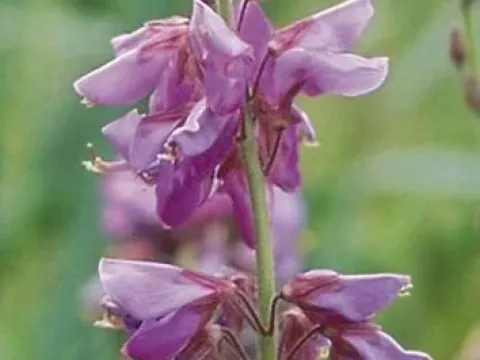
Desmodium spicatum
Desmodium spicatum
Sowing of Desmodium spicatum is typically carried out during the spring season when soil temperatures reach 15–18 degrees Celsius. This ensures the necessary thermal conditions for rapid germination and establishment of young seedlings.
What the section contains
Desmodium spicatum
Seeds often require scarification prior to planting to overcome dormancy caused by the hard seed coat. Proper preparation significantly improves field emergence rates and uniform plant development across the field.
The optimal seeding depth is approximately 1–2 centimeters, ensuring the seeds are adequately covered to maintain moisture while remaining close enough to the surface for successful emergence.
Row or narrow-row drilling methods are recommended to achieve a dense stand that effectively shades the soil, thereby suppressing weed growth and maximizing land utilization for biomass production.
Post-sowing rolling is a crucial agricultural practice that ensures optimal seed-to-soil contact. This step promotes uniform germination and protects the seeds from desiccation in the topsoil layer.
Desmodium spicatum, belonging to the Fabaceae family, thrives in tropical and subtropical climates. It is a heliophilous species that requires full sun exposure to maintain high photosynthetic rates and rapid biomass accumulation.
The plant performs best on well-drained loamy or sandy loam soils. It is highly sensitive to waterlogging, making field drainage an essential requirement for preventing root damage and ensuring longevity of the stand.
Soil pH ranging from 6.0 to 7.0 is ideal for this crop. In acidic soils, liming is recommended to optimize nutrient availability and promote the symbiotic relationship with rhizobia bacteria responsible for nitrogen fixation.
While exhibiting moderate drought tolerance due to its deep taproot system, the crop requires consistent moisture during periods of rapid growth to achieve its maximum yield potential.
As a legume, it contributes significantly to soil health by fixing atmospheric nitrogen, which improves the overall fertility status of the field and benefits subsequent crops in the rotation.
Various weevils and leaf beetles represent the most common pests that can damage the vegetative parts of Desmodium spicatum. Regular field scouting is necessary to identify infestations early and apply appropriate management strategies.
Root rot is a major disease risk, particularly in fields with poor drainage or during prolonged periods of excessive moisture. Maintaining optimal soil conditions and implementing sound crop rotation are key preventative measures.
Fungal leaf spot diseases may occur under conditions of high humidity, reducing the total photosynthetic area and overall fodder quality. Resistant cultivars and proper plant spacing are effective tools for disease mitigation.
Weed competition is most critical during the early establishment phase when the crop grows slowly. Integrated weed management, including mechanical cultivation, is essential until the canopy closes.
Climatic stress, including severe wind or temperature fluctuations, can impact crop vigor. Balanced fertilization, particularly with phosphorus and potassium, helps strengthen plant health and resilience against environmental stressors.
For high-quality forage, the crop should be harvested at the early flowering stage. This phase provides the best balance between biomass yield and the concentration of essential nutrients, including crude protein.
Hay production requires drying the mowed material to a moisture content of 15–18 percent. Gentle handling during the drying process is critical to minimize leaf loss, as the leaves contain the highest nutrient density.
When harvesting for seed, the operation should occur when most pods have turned brown. Precise timing and machine adjustment are required to minimize seed shattering and losses during the harvesting process.
Post-harvest seed processing involves cleaning and drying to ensure safe storage conditions. Maintaining low moisture content is vital to preserve seed viability for future planting cycles.
Desmodium spicatum can also be utilized for silage production. Ensuring proper compaction and airtight storage conditions facilitates the necessary lactic acid fermentation, preserving the forage quality for winter use.