
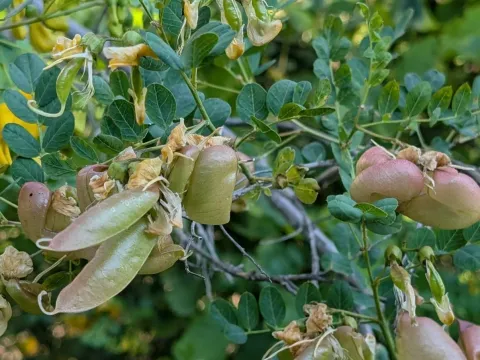
Colutea cilicica
Colutea cilicica
Propagation of Colutea cilicica is typically achieved through seeds, which should be stratified for one to two months before spring sowing. Ensuring a well-draining substrate is vital for preventing seed rot during the germination phase.
What the section contains
Colutea cilicica
Scarification of the seeds is highly recommended, as the hard seed coat can otherwise delay germination significantly. Seeds should be sown at a depth of 1-2 centimeters in a sunny and warm environment.
Vegetative propagation via cuttings is another viable method, usually performed during the mid-summer season using semi-hardwood stems. Applying rooting hormones can significantly increase the success rate of the cuttings.
Young seedlings require attentive care, including consistent soil moisture and protection from intense mid-day heat during their first few weeks. Weeding is essential to prevent young plants from being outcompeted.
Transplanting established seedlings to their permanent location is best performed in early spring. This timing allows the root system to become adequately established before the onset of extreme seasonal temperatures.
Colutea cilicica is a hardy deciduous shrub belonging to the Fabaceae family, native to the arid mountainous regions of Asia Minor. It is exceptionally well-adapted to poor, rocky soils and dry climates.
The plant thrives in full sun, requiring exposure to direct sunlight for the majority of the day to bloom effectively. Lack of sufficient light often results in weak, spindly growth and poor flowering performance.
Well-drained, alkaline or neutral soils are ideal for this species. It is extremely sensitive to waterlogged conditions, which can quickly cause root damage, so choosing a site with excellent drainage is paramount.
Drought tolerance is a signature trait of this plant once it has reached maturity. While minimal irrigation is needed, supplemental watering during prolonged dry spells can improve the overall vigor of the shrub.
Standard horticultural maintenance involves annual pruning in late winter or early spring. Removing dead or crossing branches promotes healthy airflow within the canopy and maintains a tidy architectural shape.
Powdery mildew is the most common fungal issue associated with Colutea cilicica, especially in humid conditions with poor air circulation. Improving site spacing is the most effective cultural control method.
Aphids occasionally target the tender new growth during the spring season. If infestations become severe, the use of organic insecticidal soaps is usually sufficient to manage the pest population effectively.
Leaf miners may cause aesthetic damage by creating tunnels within the leaf tissue. While rarely fatal, persistent infestations can be treated with systemic insecticides if the plant's health begins to decline.
Root rot remains the most significant threat to the survival of the plant, almost always caused by improper drainage or excessive irrigation. Avoiding deep, heavy soils is the primary preventive measure.
Regular monitoring of the foliage for discoloration or distorted growth is a best practice for early detection of potential threats. Keeping the base of the shrub clean of debris also reduces the risk of fungal infections.