
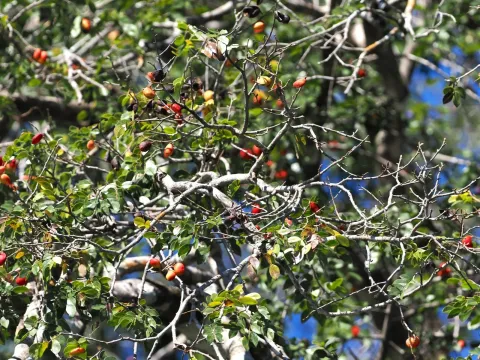
Copaifera
Copaifera
Copaifera belongs to the Fabaceae family. It is a genus of evergreen trees that naturally grow in tropical regions of South America, particularly in the Amazon basin, as well as in certain parts of Africa.
What the section contains


Copaifera
For stable growth, the trees require a hot and humid tropical climate without sharp temperature fluctuations. Optimal conditions include high average annual temperatures and significant rainfall distributed evenly throughout the year.
The crop prefers deep, well-drained alluvial or latosol soils. The tree is extremely sensitive to waterlogging and does not tolerate swampy areas, despite its high demand for atmospheric moisture.
In terms of agricultural practices, Copaifera is not a mass plantation crop in the traditional sense, as its development is relatively slow. Cultivation is most often conducted by promoting natural regeneration within forest stands.
The plant possesses a powerful root system capable of extracting nutrients from poor tropical soils. Within the biocenosis structure, Copaifera acts as a dominant species forming the upper canopy of moist tropical forests.
The primary product for which Copaifera is cultivated is copaiba balsam, a thick oily resin extracted from the tree's trunk. The yield depends on the age of the tree, its diameter, and its overall health status.
The extraction of the balsam is carried out by drilling holes in the trunk, from which the resin flows out by gravity. One mature tree can provide from several to tens of liters of raw material per season when proper harvesting techniques are followed.
The industrial value of the balsam lies in its high terpene content, making it highly sought after in pharmacology and the cosmetic industry. Additionally, Copaifera wood is valued in furniture manufacturing due to its hardness and durability.
Economic uses include the application of the oil as an antiseptic agent, an ingredient in varnishes, paints, and fragrance compositions. The wood is also utilized for high-end interior decorations.
Extraction efficiency directly depends on respecting the resting periods of the plant between resin tapping cycles. Intense exploitation without agronomic monitoring can lead to rapid plantation degradation and decreased production volumes.
Specific diseases of Copaifera include fungal infections of the wood and root rots, which occur when bark integrity is compromised or due to damage caused by insects.
Among pests, the greatest danger is posed by stem borers, particularly bark beetles and carpenter worms, which can create tunnels in the tissues, reducing the yield of the medicinal balsam.
The anthropogenic factor is the primary threat to the population: uncontrolled logging and improper resin tapping methods open pathways for pathogens to enter the tree trunk.
Termites can also cause significant damage to young trees by attacking the root system and bark, which slows down the crop's growth rates and reduces its overall productivity.
Control measures include regular monitoring of stand conditions, sanitary felling of affected trees, and limiting tapping intensity to allow for the recovery of the plants' natural immunity.