
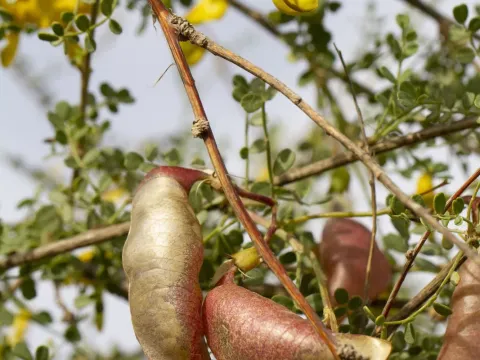
Colutea istria
Colutea istria
Colutea istria is a deciduous shrub belonging to the Fabaceae family. It is known for its remarkable resilience and ability to thrive in harsh, rocky environments typical of its native range.
What the section contains
Colutea istria
The plant requires full sun exposure to flourish. Providing a location with direct sunlight is critical for its growth, as shaded areas result in leggy stems and poor flower production.
Soil requirements are modest; however, the plant prefers well-drained, sandy, or rocky soil with a neutral to alkaline pH. Good drainage is the most important factor in preventing root rot.
In terms of climate, it is well-adapted to Mediterranean-type environments. It is highly drought-tolerant once established, requiring little to no supplemental irrigation during the summer months.
Maintenance is minimal, consisting primarily of pruning dead or damaged wood in late winter or early spring. This promotes vigorous growth and keeps the shrub in a healthy, compact shape.
The plant is generally robust, but it can be susceptible to aphid infestations, particularly during the tender growth phase in early spring.
Excessive soil moisture is a primary threat, as it can lead to various root pathogens. Always ensure the planting site is elevated or properly sloped to manage water runoff.
Powdery mildew may occur if air circulation is restricted. Pruning the shrub to thin out the center of the crown helps improve airflow and reduces the risk of fungal infections.
Leaf-eating insects occasionally target the foliage, but they rarely cause significant long-term damage to established, mature specimens of Colutea istria.
Integrated pest management, including monitoring and using mild horticultural soaps, is recommended if pest populations exceed economic or aesthetic thresholds.