
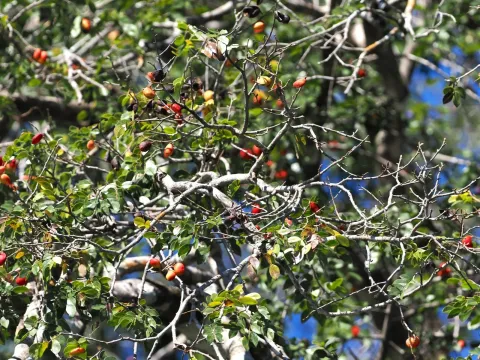
Copaifera langsdorffii
Copaifera langsdorffii
Copaifera langsdorffii is a notable species within the Fabaceae family, widely known for producing a unique oleoresin called copaiba oil. The tree is native to the tropical regions of South America, specifically Brazil.
What the section contains
Copaifera langsdorffii
The plant thrives in regions with tropical climates, requiring consistent warmth and protection from frost. It typically grows in savannas and forest edges, where light availability is abundant throughout the year.
Regarding soil conditions, it prefers well-drained, deep, and nutrient-rich soils. Waterlogging is detrimental to the roots, so site selection must prioritize excellent soil permeability.
Cultivation practices involve initial nursery development, followed by transplanting into the field. The tree has a slow initial growth rate, which requires patience and proper weed management during the establishment phase.
Environmental management involves protecting the trees from severe winds and ensuring adequate spacing between individual plants to prevent competition for light and soil moisture.
The primary economic product of Copaifera langsdorffii is the copaiba resin, extracted from the heartwood of mature trees. This natural product is harvested through controlled drilling methods.
A single mature tree can produce several liters of resin annually. The yield is influenced by the tree's health, age, and the specific site conditions, making sustainable management practices essential.
Beyond the resin, the wood of this tree is highly valued for its physical properties, including durability and resistance to decay, which makes it ideal for construction and cabinetry.
There is growing interest in the potential of copaiba oil as a sustainable biofuel. Research indicates its hydrocarbon composition makes it a promising renewable energy source.
Yield management requires careful monitoring of the extraction frequency to ensure that the tree maintains its biological vitality and continues to produce resin over long periods.
Copaifera langsdorffii is susceptible to wood-boring insects, which can exploit wounds in the bark or openings created during the extraction of resin.
Fungal infections of the root system occur primarily in conditions with poor drainage or excessive soil moisture, leading to systemic decay of the plant.
Termites are considered a significant pest, as they can cause extensive damage to the trunk, weakening the tree's structural integrity and its ability to transport nutrients.
Foliar pests can impact the tree's photosynthetic capacity, especially in younger stages, resulting in stunted growth and increased susceptibility to other stressors.
Integrated pest management, including regular inspection and proper wound treatment after resin harvesting, is critical to maintaining the health of a Copaifera plantation.