
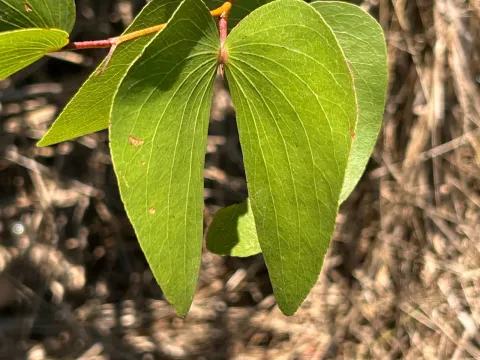
Colophospermum
Colophospermum
Colophospermum mopane, commonly known as the mopane tree, belongs to the Fabaceae family. It is a dominant species in the arid regions of Southern Africa, thriving where other crops fail.
What the section contains

Colophospermum
This species is highly drought-tolerant and capable of growing in a variety of soil types, ranging from deep sandy soils to heavy, alkaline clay soils that hold moisture.
The tree exhibits specific physiological adaptations, including the ability to fold its butterfly-shaped leaves to reduce heat absorption and water loss during the peak of the day.
In terms of management, the species requires minimal input but benefits significantly from well-drained sites and open areas where competition for solar radiation is low.
Economically, Colophospermum is widely utilized for its incredibly dense and durable wood, known as ironwood, and its nutritious foliage which serves as a vital fodder for wildlife and livestock.
The most significant pest for this crop is the mopane worm (Gonimbrasia belina), whose larvae can cause complete defoliation if left unmanaged during large outbreaks.
Various fungal pathogens affect the root system, particularly in soils that exhibit poor drainage during brief but intense rainy seasons, leading to collar rot.
Termites represent a constant threat to the structural integrity of older trees, as they target the heartwood if the tree shows signs of physiological stress.
Herbivory by both wild game and domestic cattle requires the implementation of protective measures during the establishment phase of any plantation.
Effective management strategies combine early detection of pest populations with sustainable silvicultural practices to maintain the health of the stands.