
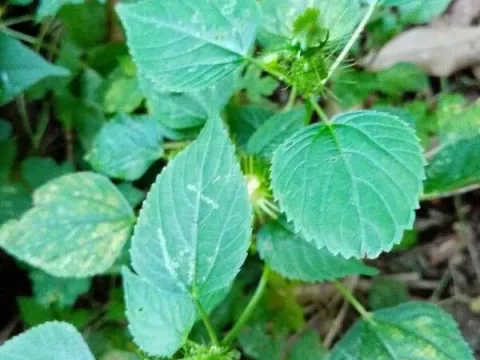
Acalypha polystachya
Acalypha polystachya
The propagation of Acalypha polystachya is typically performed through seeds sown in late winter or early spring. To ensure high germination rates, it is crucial to maintain a soil temperature between 22 and 24 degrees Celsius and consistent moisture levels.
What the section contains
Acalypha polystachya
The substrate must be light and well-draining, consisting of a mix of peat and perlite or sand. Seeds should be lightly covered with the growing medium, as excessive depth may hinder their development and emergence.
Once seedlings develop their first true leaves, they should be transplanted into individual pots or nursery trays. Supplemental lighting is essential during the early stages if natural light is insufficient to prevent leggy growth.
Hardening off the plants is a critical step before moving them to outdoor environments. This process gradually exposes the plants to external temperatures and winds, reducing transplant shock and ensuring better survival rates.
When planting, ensure proper spacing is maintained to facilitate airflow and minimize humidity-related diseases. Adequate spacing also allows for easier weeding and maintenance throughout the growing season.
Acalypha polystachya, a member of the Euphorbiaceae family, thrives in warm climates with bright, indirect light. While it loves the sun, direct midday exposure can scorch its delicate foliage, necessitating some form of shade.
Soil conditions should be nutrient-rich and slightly acidic or neutral. Excellent drainage is non-negotiable for this species, as waterlogged roots are highly susceptible to decay and fungal infections.
Watering frequency should be adjusted based on environmental conditions, ensuring the soil remains moist but not saturated. Overwatering is the most common cause of failure in Acalypha cultivation.
The plant performs best in temperatures between 18 and 25 degrees Celsius. It is sensitive to cold, and exposure to temperatures consistently below 15 degrees Celsius should be strictly avoided to prevent dormancy or leaf drop.
Regular fertilization with a balanced NPK fertilizer is recommended during the active growing season. Nitrogen-rich fertilizers are particularly beneficial for promoting lush leaf growth, while potassium helps improve plant hardiness.
Common pests affecting Acalypha polystachya include spider mites and mealybugs, which tend to flourish in low-humidity environments. These pests can rapidly weaken the plant by sucking essential sap from the leaves.
Integrated pest management involves regular monitoring and the use of appropriate insecticides or horticultural oils when pest populations exceed acceptable thresholds. Always test chemical applications on a small area first.
Root rot is the most serious threat, caused by persistent overwatering and poor soil aeration. Preventive measures include using high-quality drainage materials and ensuring that pots are not sitting in water.
Powdery mildew and other fungal diseases may occur if plants are overcrowded or if air circulation is poor. Fungicidal treatments should be applied at the first sign of visible infection to contain the spread.
Sanitation practices, such as removing dead or dying leaves, are essential for maintaining a healthy growing environment. Clean tools and regular site inspections significantly contribute to a successful harvest or display.