
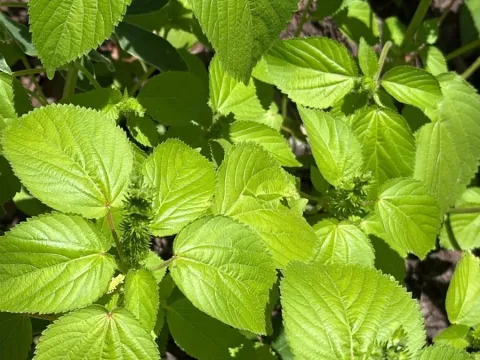
Acalypha persimilis
Acalypha persimilis
Acalypha persimilis is a tropical species belonging to the Euphorbiaceae family. In commercial horticulture, this plant is primarily propagated through vegetative cuttings, which ensures the maintenance of desired phenotypic traits.
What the section contains
Acalypha persimilis
Cuttings should be taken during the active growth phase, preferably in spring. Using a well-aerated rooting medium and applying heat (approximately 23 degrees Celsius) significantly increases the success rate of propagation.
Seed propagation is less common but feasible under strictly controlled greenhouse conditions. Seeds require consistent moisture and high humidity during the germination process to ensure uniform seedling emergence.
After the initial rooting phase, which typically lasts several weeks, the young plants are transplanted into larger containers. Proper spacing is crucial to prevent etiolation and promote the development of a robust root system.
Acclimatization of the young plants to standard greenhouse conditions should be gradual. Once established, the plants demonstrate rapid growth, provided the environmental parameters remain within the optimal range.
This species thrives in bright, indirect light conditions. Excessive direct sunlight can cause leaf scorching, while inadequate light levels often lead to sparse foliage and a loss of the plant's characteristic coloration.
The substrate must be fertile, porous, and possess a slightly acidic pH level. A well-draining soil mix is essential to prevent waterlogging, which the root system of Acalypha persimilis cannot tolerate.
Maintaining high relative humidity is vital for the health of the foliage. In indoor environments, automated misting systems are recommended to prevent the margins of the leaves from drying out and turning brown.
Temperature management is a critical factor for successful cultivation. The plants perform best in temperatures between 18 and 25 degrees Celsius and should be protected from sudden temperature drops or cold drafts.
Nutrient supplementation should occur regularly during the growing season. A balanced, water-soluble fertilizer applied every two weeks helps sustain vigorous growth and enhances the overall resilience of the plant.
Spider mites are the most common pests affecting this culture, especially in environments with low humidity. Integrated pest management practices, including the introduction of natural predators, are highly effective.
Root rot, caused by overwatering and poor soil drainage, poses a significant risk to the plant's survival. Correcting watering practices and ensuring adequate soil aeration are the primary methods for disease prevention.
Mealybugs and scale insects may also infest the plants, particularly in stagnant air conditions. Regular monitoring of the foliage and stem surfaces allows for the early detection and management of these outbreaks.
Fungal pathogens such as gray mold can develop if humidity levels are excessive and air circulation is insufficient. Improving greenhouse ventilation and removing diseased tissue are necessary steps for control.
Strict hygiene protocols and quarantine of new plant material are essential to prevent the spread of diseases and pests within the cultivation facility. Proactive scouting is the key to maintaining a healthy crop.