
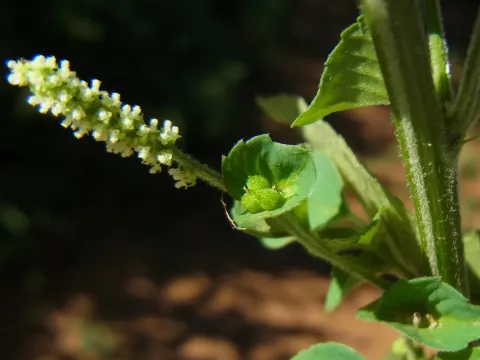
Acalypha segetalis
Acalypha segetalis
Acalypha segetalis is a herbaceous annual plant belonging to the Euphorbiaceae family. This species is widely distributed across tropical and subtropical regions, often thriving in agricultural landscapes as an opportunistic colonizer of disturbed soils.
What the section contains
Acalypha segetalis
The botanical structure of the plant features slender, branched stems that grow in an upright habit. Its foliage consists of alternate leaves with serrated margins, which helps in identifying the species among other field plants during the early developmental stages.
Climatic requirements for Acalypha segetalis include warm temperatures and high solar radiation. The plant is well-adapted to regions with distinct wet and dry seasons, often exhibiting rapid growth patterns immediately following the onset of seasonal rainfall.
Regarding soil preferences, this plant performs best in well-drained loamy or sandy soils. It demonstrates significant phenotypic plasticity, allowing it to adapt to varying levels of nutrient availability in diverse field environments, from neglected plots to active cultivation areas.
Historically, this species has been studied primarily as a weed that competes with staple crops for water, nutrients, and sunlight. Effective management strategies are necessary in agricultural systems to prevent this plant from establishing dominance and reducing overall harvest yields.
Key pathological threats to the plant include various fungal pathogens that cause leaf blight and necrosis, particularly during prolonged periods of high humidity and poor air circulation within the plant canopy.
Insect pests, such as aphids and spider mites, are common threats that feed on the phloem of the plant. These infestations can significantly weaken the plant, leading to stunted growth and reduced capacity for seed dispersal by the end of the life cycle.