
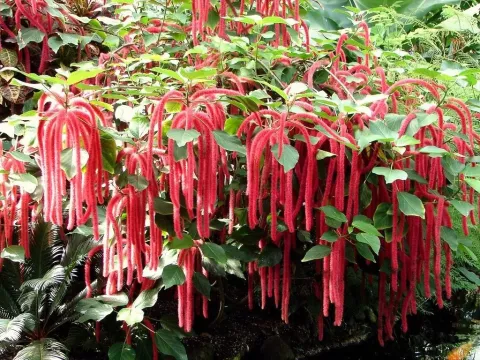
Acalypha schiedana
Acalypha schiedana
Acalypha schiedana is a perennial shrub that belongs to the diverse Euphorbiaceae family. Native to the tropical regions of Mexico, this plant has gained attention for its distinct botanical characteristics and its aesthetic appeal in botanical gardens and indoor collections.
What the section contains
Acalypha schiedana
The plant thrives in bright, indirect light environments. Direct sunlight, especially in high-temperature zones, can cause scorching of the leaves, while insufficient light leads to stunted growth and loss of the plant's characteristic vibrant foliage color.
Soil requirements include a well-draining, nutrient-rich substrate. A mixture comprising peat, perlite, and loam is typically recommended to ensure that moisture is retained without causing the root system to become waterlogged, which is a major risk for this species.
The ideal temperature range for Acalypha schiedana is between 20°C and 26°C. It is highly sensitive to cold, and temperatures dropping below 15°C can cause significant stress or physiological damage, necessitating indoor protection during cooler seasons.
Watering should be consistent, ensuring the top layer of the soil dries slightly between applications. Maintaining high humidity is also beneficial for the plant's overall health, mimicking its native tropical habitat through regular misting or humidity trays.
The primary pests targeting Acalypha schiedana are spider mites, mealybugs, and scale insects. These pests often exploit weakened plants kept in low-humidity environments, making them a common issue for indoor growers.
Fungal diseases, particularly root rot, are the most significant threat to the plant's vitality. They occur primarily due to overwatering and inadequate soil drainage, which encourages the growth of harmful pathogens in the rhizosphere.
Managing these threats requires a proactive approach involving regular visual inspection of the underside of leaves and stems. Should an infestation occur, systemic insecticides or neem oil-based treatments are often effective solutions for control.
Powdery mildew can occur if air circulation is poor, manifesting as white, dusty patches on the leaf surface. Increasing air movement and reducing leaf surface moisture can significantly lower the risk of such infections.
Cultural control, including proper spacing and sanitation, is essential. Removing fallen leaves and debris from the soil surface prevents the buildup of fungal spores and provides a cleaner environment for the plant to flourish.