
Acalypha neomexicana
Acalypha neomexicana
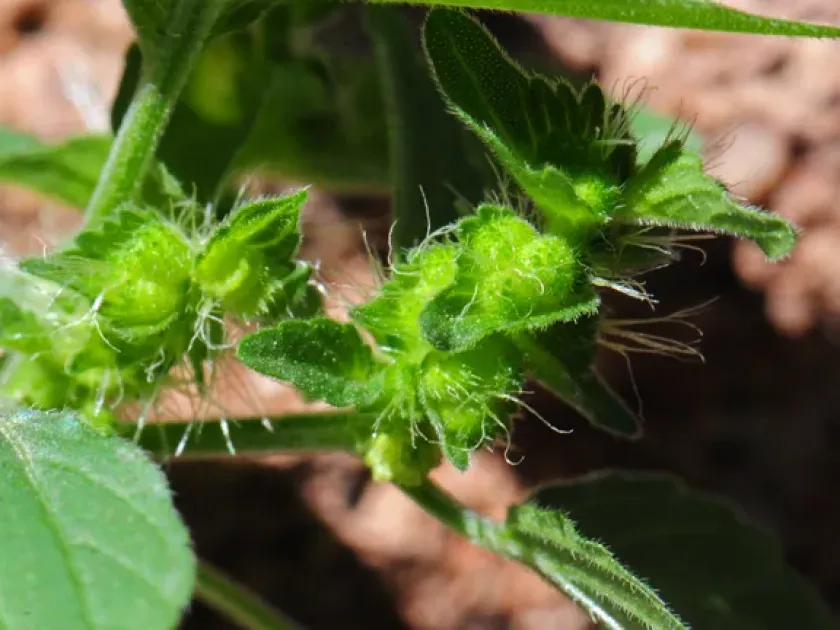
Description
Sowing dates
Acalypha neomexicana is a herbaceous annual plant belonging to the large and diverse Euphorbiaceae family.
The life cycle typically commences in the spring season when soil temperatures rise sufficiently to trigger seed germination.
In its native habitat, the plant relies on natural seed dispersal, which thrives in loose and well-aerated soil compositions.
For cultivation purposes, seeds should be sown in a depth that allows for sufficient oxygen exchange while maintaining surface moisture.
It is vital to avoid planting until the threat of late-season frost has completely passed, as the seedlings are highly susceptible to cold stress.
Growing requirements
The plant originates from the Southwestern United States, specifically the region of New Mexico, where it has adapted to arid conditions.
It prefers sandy or gravelly soil profiles that provide excellent drainage, preventing the water accumulation that leads to root distress.
Sunlight is the primary requirement for the plant's development, as it thrives under full solar exposure throughout the vegetative season.
The culture displays remarkable drought tolerance, yet it maintains its optimal physiological health when provided with occasional light watering.
The environmental tolerance of the plant includes adjusting to significant diurnal temperature ranges typical of desert ecosystems.
Main diseases and pests
Powdery mildew represents a primary fungal threat, particularly during periods of high humidity combined with limited air circulation around the plants.
Root rot is a critical concern, usually resulting from poor soil drainage or excessive irrigation practices that suffocate the root structure.
Spider mites are common insect pests that thrive on the plant during hot and dry months, potentially leading to leaf yellowing and senescence.
Aphid infestations on tender new shoots can also occur, hindering the growth rate and structural integrity of the plant during its peak development.
Effective management includes maintaining proper spacing between plants and monitoring for early signs of distress to ensure a healthy cultivation cycle.