
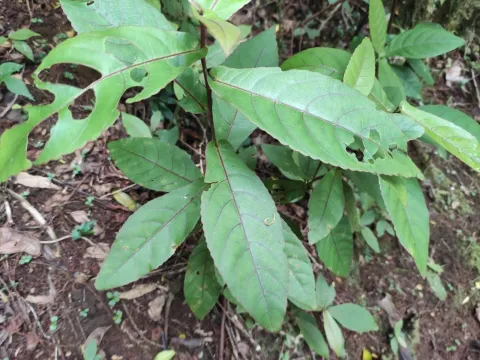
Acalypha integrifolia
Acalypha integrifolia
Propagation of Acalypha integrifolia is primarily achieved through seeds under greenhouse conditions. Sowing should be initiated in the early spring as daylight duration increases, providing the necessary energy for germination.
What the section contains
Acalypha integrifolia
The ideal substrate for sowing is a porous, well-aerated mixture consisting of peat and perlite to ensure optimal drainage. Seeds should be sown at a shallow depth and covered lightly to maintain consistent moisture levels.
Maintaining a stable temperature between 22 and 25 degrees Celsius is crucial for successful seed development. Covering the seedling trays with glass or plastic helps create a microclimate that prevents the surface from drying out too quickly.
Once true leaves appear, seedlings are transplanted into individual containers to prevent overcrowding. This process promotes the development of a strong root system, which is essential for the future growth and resilience of the plant.
Gradual acclimatization to outside conditions or larger pots is recommended before final placement. Proper handling during the initial weeks determines the plant's long-term health and structural stability.
Acalypha integrifolia belongs to the Euphorbiaceae family and originates from the Mascarene islands. It thrives in a tropical environment characterized by high humidity and consistent warmth throughout the year.
The plant prefers fertile, well-draining soil with a neutral to slightly acidic pH. Avoiding compacted soil is essential to ensure that oxygen reaches the roots, preventing the risk of stagnation and potential decay.
While the species loves light, it requires protection from intense direct sunlight, which can scorch its leaves. Providing bright, filtered light or partial shade is the optimal lighting configuration for its health.
Watering must be regular and consistent during the growing season. In the winter months, when growth slows, the water supply should be reduced to prevent waterlogging, although the soil should never become completely dry.
Regular fertilization with a balanced, nitrogen-rich complex fertilizer supports vigorous leaf growth. This is particularly important during the spring and summer to sustain the plant's decorative and medicinal potential.
The economic value of Acalypha integrifolia is linked to its traditional use as a medicinal plant. Its foliage and stems contain bioactive compounds that are valued in local herbal medicine practices.
The biomass yield is heavily influenced by the level of care, light intensity, and nutrient availability. Under favorable conditions, the plant displays robust vegetative growth, allowing for periodic pruning of apical parts.
Harvesting is performed by carefully trimming the upper branches, which also serves to stimulate branching and produce a denser canopy. This selective approach ensures the plant remains productive for several seasons.
Once harvested, the material requires proper drying in a shaded, well-ventilated area to preserve the integrity of the chemical compounds. Avoiding direct sun during the drying process is critical for quality control.
The productivity of this species is considered stable for home or conservatory cultivation. With consistent maintenance and appropriate environmental controls, it can remain a reliable source of botanical material.
Spider mites are a common threat, particularly in environments with low humidity. These pests feed on sap, which often leads to discolored, spotted, or dropping leaves if not addressed with consistent misting.
Mealybugs can often colonize the axils of the leaves, where they are protected from immediate contact with sprays. Regular monitoring and physical removal are necessary to manage infestations before they spread.
Root rot is a significant danger caused by overwatering or poorly drained containers. This condition is often fatal, making proper irrigation control and soil aeration the primary defense against fungal pathogens.
Aphids occasionally target tender new shoots, rapidly multiplying if left unchecked. A gentle application of insecticidal soap or simply wiping the leaves can effectively manage these populations.
Maintaining a clean growing space and removing dead foliage are essential sanitary practices. Frequent inspections allow for the early detection of pests and diseases, ensuring the plant’s continued vitality.