
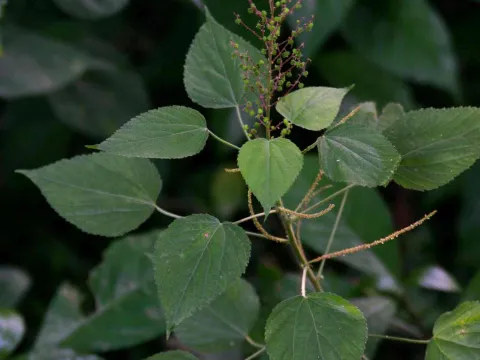
Acalypha racemosa
Acalypha racemosa
Acalypha racemosa, a member of the Euphorbiaceae family, is a versatile tropical plant typically propagated via seeds or stem cuttings in specialized nursery environments.
What the section contains
Acalypha racemosa
Sowing should be performed in a nutrient-rich, well-draining substrate, keeping temperatures above 20°C to ensure successful germination and seedling vigor.
Optimal spacing is required when transplanting to ensure that each individual plant has sufficient room for canopy development and air circulation.
Proper pre-treatment of seeds or rooting hormones for cuttings can significantly improve the success rate of establishing a new crop plantation.
Successful sowing involves constant monitoring of moisture levels, as young plants are particularly sensitive to both dehydration and excessive waterlogging.
This species thrives in tropical climates, preferring bright, filtered sunlight that mimics its natural habitat under the forest canopy or in open clearings.
Soil requirements focus on high organic matter content and a slightly acidic to neutral pH, ensuring that essential minerals are readily available for the plant.
Temperature maintenance is critical, with an ideal growth range between 22°C and 28°C; any significant deviation can lead to stress or growth cessation.
Regular irrigation is necessary to maintain consistent soil moisture, although drainage must be prioritized to prevent root rot in heavier soil types.
Adequate ventilation is an essential requirement for greenhouse or indoor cultivation to prevent the buildup of humidity, which encourages various fungal infections.
Common agricultural threats include spider mites and mealybugs, which are highly active in warm, dry environments and can cause severe damage to leaf tissue.
Fungal diseases, including powdery mildew and root rots, pose a significant risk, especially in areas with poor airflow and high humidity levels.
Effective pest management relies on early detection, regular scouting, and the application of biological controls or targeted insecticides when populations exceed thresholds.
Sanitation practices, such as removing fallen debris and infected leaves, are vital to reducing the inoculum density of pathogens within the growing area.
Monitoring for nutrient deficiencies or toxicity symptoms is part of the daily routine to ensure the health of the plant throughout its productive lifespan.
The harvest of leaves and flowering spikes for medicinal purposes is timed to coincide with the plant's peak flowering period to ensure maximum phytochemical concentration.
Careful manual harvesting is preferred to maintain the integrity of the plant material and to promote regrowth after the harvest event is complete.
Immediate post-harvest processing, including thorough cleaning and rapid drying in a shaded, well-ventilated area, is essential for maintaining chemical quality.
Stored produce should be kept in cool, dry conditions to prevent the degradation of volatile compounds and to extend the shelf life of the harvested biomass.
Compliance with standardized handling protocols ensures that the final product meets the necessary safety and quality criteria for industrial or medical applications.