
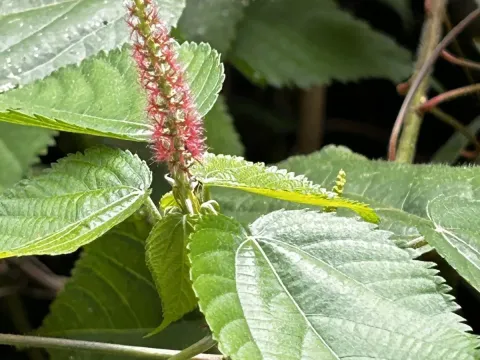
Acalypha ornata
Acalypha ornata
Acalypha ornata is an evergreen shrub belonging to the Euphorbiaceae family. Native to tropical regions of Africa, this plant has evolved to thrive in warm, humid forest environments, which dictates its cultivation needs.
What the section contains
Acalypha ornata
Botanically, this species is recognized for its robust growth and ornamental appeal. It functions as a perennial plant that requires specific tropical conditions to maintain its structural integrity and leaf health throughout the seasons.
The plant demands high ambient temperatures, ideally staying between 20°C and 25°C. Exposure to cold drafts or temperatures below 15°C can cause significant stress, resulting in leaf drop and developmental stagnation.
Soil requirements focus on fertility and drainage. A substrate composed of peat, perlite, and organic compost provides the best environment for root expansion. Proper drainage is essential to avoid waterlogging the roots.
Lighting should be bright but filtered. While the plant appreciates high light intensity, direct sun exposure during mid-day can lead to leaf scorching, meaning a position near a window with sheer curtains is optimal.
Common pests affecting Acalypha ornata include spider mites, aphids, and mealybugs. These sap-sucking insects often congregate on the undersides of leaves or in the leaf axils, causing yellowing and deformation.
Fungal diseases primarily manifest as a result of poor air circulation and excessive humidity. Root rot, caused by overwatering, is the most common condition that leads to the rapid decline of the entire plant.
Integrated pest management should be employed, utilizing systemic insecticides when necessary. Regular inspections are crucial to catch infestations in their early stages before they compromise the entire plant architecture.
Maintaining hygiene in the growing space is critical. This includes removing dead foliage, sterilizing pots before use, and ensuring that no standing water is left in the root zone after irrigation.
If fungal growth appears on the stems or foliage, use appropriate fungicides and increase airflow immediately to dry out the plant tissue and prevent further spread of the pathogen.