
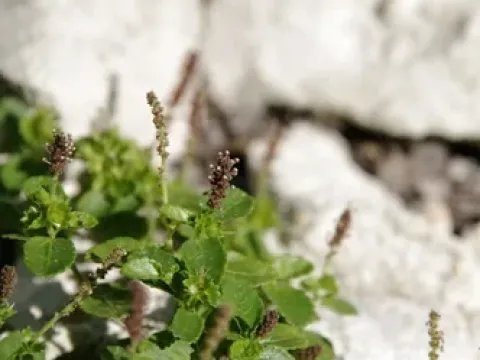
Acalypha pygmaea
Acalypha pygmaea
Acalypha pygmaea is a distinct, compact cultivar belonging to the diverse Euphorbiaceae family. Unlike many other species in the genus that grow into large shrubs, this dwarf variety is specifically valued for its small, manageable stature, making it ideal for indoor containers.
What the section contains
Acalypha pygmaea
Native to tropical rainforest environments, the plant thrives in conditions that mimic its natural habitat. It requires a consistent, warm environment with high ambient humidity levels, which is essential to keep the foliage vibrant and healthy throughout the year.
The cultural requirements include bright, indirect light to maintain growth. Direct exposure to intense midday sun should be avoided to prevent scorched leaves, while low-light conditions may lead to stunted growth and loss of the plant's characteristic density.
Soil composition must prioritize drainage and aeration. A well-draining potting mix containing a blend of peat moss, perlite, and a small amount of composted pine bark is generally recommended to ensure the roots remain healthy and aerated.
Watering practices are critical for Acalypha pygmaea. The substrate should be kept consistently moist but never waterlogged. During the growing season, regular watering is necessary, while winter irrigation should be reduced to prevent the risk of root rot.
Common horticultural pests such as spider mites, aphids, and whiteflies pose the greatest threat to this plant species. These insects thrive in dry air conditions, highlighting the need for maintaining optimal indoor humidity to naturally suppress potential infestations.
Pathogenic threats include various forms of fungal root rot caused by stagnant water in the soil. Maintaining a strict sanitation routine for tools and ensuring proper water management are the primary defenses against these destructive pathogens.