
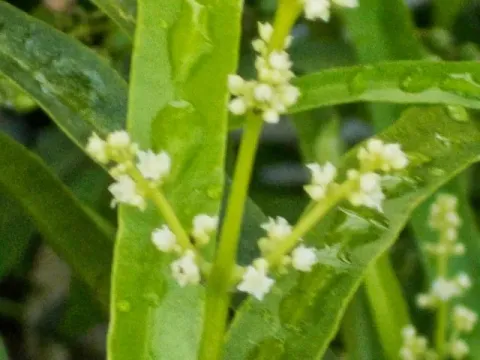
Euodia suaveolens
Euodia suaveolens
Sowing seeds of Euodia suaveolens is best performed in the autumn immediately after harvesting to allow for natural stratification in the soil. Seeds should be planted in well-prepared beds or containers at a shallow depth of approximately 1 to 2 centimeters to ensure successful germination.
What the section contains
Euodia suaveolens
If spring sowing is preferred, seeds must undergo a cold stratification process at temperatures between +1 and +5 degrees Celsius for at least 60 to 90 days. This pretreatment is crucial to break seed dormancy and ensure uniform seedling emergence during the growing season.
For planting in permanent locations, space the trees 3 to 4 meters apart to allow for proper crown development and air circulation. A location with well-drained soil and full sun exposure is ideal for the initial establishment of young saplings.
During the first two years, young trees require consistent irrigation, especially during dry spells, to support root system expansion. Mulching around the base of the plant helps retain soil moisture and suppresses competing weed growth in the area.
While propagation through cuttings is possible, it requires a controlled greenhouse environment with high humidity levels and rooting hormones. Consequently, seed propagation remains the standard method for large-scale production in forestry nurseries.
Euodia suaveolens belongs to the Rutaceae family and thrives in temperate climates, though it exhibits sensitivity to harsh frost during its juvenile years. Providing shelter from strong winds and cold northern exposures is essential for the survival of younger plants.
This species prefers fertile, well-drained loamy or sandy soils with a neutral to slightly acidic pH level. It is highly intolerant of waterlogged soil conditions, which can quickly lead to root rot and other physiological stressors for the tree.
Sunlight is a major requirement for this plant; for optimal nectar secretion and healthy growth, trees should be placed in areas that receive maximum daily sunlight. Shade significantly reduces both the flowering intensity and the quality of the honey produced.
Regular mineral fertilization during the spring encourages vigorous shoot growth and enhances the tree's overall resistance to environmental stresses. Organic matter, such as compost, can be applied to the root zone periodically to maintain soil fertility.
While mature trees show decent drought tolerance, adequate moisture is critical during the flowering season to sustain high nectar production levels. Installing drip irrigation systems is highly recommended in areas with unpredictable rainfall patterns.
Euodia suaveolens is widely recognized for its high value as a mid-to-late summer honey plant. It serves as a vital resource for honeybees during periods when many other nectar sources have already faded, providing a steady flow of high-quality forage.
Nectar yield typically peaks as the tree matures, with 10 to 15-year-old specimens showing the highest productivity. Under favorable conditions, the tree produces copious amounts of nectar that attract a large volume of pollinators daily.
Honey derived from this tree is highly prized for its light color, delicate floral fragrance, and slow crystallization process. These qualities make it a sought-after variety in the specialty honey market, often commanding premium prices.
Beyond nectar, the plant provides essential pollen for bees, which is crucial for brood rearing during the late summer months. This protein intake strengthens bee colonies, ensuring they are healthy and well-prepared for the coming winter season.
In well-managed plantations, the honey production potential can reach significant levels per hectare. Integrating these trees into professional apiary landscapes is a proven strategy for increasing the overall productivity and profitability of a beekeeping operation.
Euodia suaveolens is generally resistant to most common garden pests, but improper soil management can lead to fungal infections. Root rot caused by poor drainage is the most significant threat to the plant's health and longevity.
Leaf-eating pests may occasionally target the tree, though infestations are typically manageable with routine monitoring. Early detection and the use of targeted biological controls are preferred over broad-spectrum pesticides to protect visiting bees.
Aphids can sometimes colonize young shoots, particularly during dry weather, leading to stunted growth. Applying insecticidal soaps or neem oil is usually sufficient to manage these populations without causing harm to beneficial pollinating insects.
Frost cracks on the main trunk can be a concern in regions with fluctuating winter temperatures. Protecting the trunks of young trees with white latex paint or specialized wraps in late autumn can help prevent these temperature-induced injuries.
While stem-boring insects rarely attack healthy, vigorous trees, they may infest weakened or poorly maintained specimens. Pruning away dead or diseased wood regularly ensures the tree remains robust and unattractive to opportunistic pathogens.
The primary harvest involves the collection of nectar by honeybee colonies during the main flowering period, which lasts approximately three to four weeks. Beekeepers should ensure hives are strong and ready for this influx of nectar to capture the full potential yield.
Seed harvesting for propagation is conducted in late autumn once the seed pods begin to change color and dry out. Careful timing is necessary to collect the pods just before they naturally dehisce and disperse their seeds on the ground.
After collection, pods should be dried in a well-ventilated, shaded area to prevent mold formation. Once dry, the seeds are threshed and cleaned, ensuring high-quality storage conditions to maintain viability until the following spring planting season.
For decorative purposes, annual pruning is conducted after the growing season concludes to maintain a balanced and aesthetic crown shape. This practice also helps clear out any damaged or overly dense branches that inhibit overall airflow.
When harvesting leaves or bark for medicinal research or traditional uses, it is imperative to follow sustainable harvesting practices. Taking only small amounts from healthy branches ensures the tree continues to thrive and function as a key ecological component.