
Euodia robusta
Euodia robusta
Euodia robusta is a notable tree species belonging to the Rutaceae family. Native to tropical and subtropical regions, particularly across parts of Australia, it thrives in warm environments and requires specific ecological conditions for optimal development.
What the section contains
Euodia robusta
The cultivation of this species requires well-draining, nutrient-rich soil with a neutral pH balance. Soil aeration is critical for root health, and therefore, sandy loam or volcanic soils are often preferred to ensure proper moisture management and prevent waterlogging.
Regarding climate, Euodia robusta demands high solar exposure and protection from freezing temperatures. It is classified as a heat-loving plant, making it unsuitable for regions with harsh winters unless it is cultivated in a greenhouse or a strictly controlled microclimate.
Agrotechnical management involves regular fertilization during the active growing season. Applying balanced fertilizers encourages rapid shoot elongation and increases the tree's resistance to minor environmental stressors, ensuring a robust structure within the first few years.
Water requirements remain high throughout the initial establishment period. As the tree matures, its root system becomes more efficient at water uptake, though supplemental irrigation remains beneficial during extended periods of drought to maintain consistent growth rates.
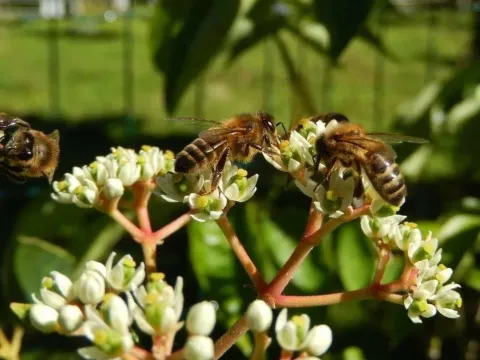
The primary agricultural interest in Euodia robusta lies in its exceptional nectar secretion capacity. It is highly valued as a late-season honey plant, supporting beekeeping industries by providing a reliable and rich source of nectar for pollinators.
Beyond its apicultural value, the tree provides timber that is recognized for its durability and aesthetic grain. Although not a primary source for large-scale industrial lumber, it is utilized for artisanal woodworking and small-scale decorative projects.
Harvesting products from Euodia robusta is largely indirect, relying on the collection of high-quality honey produced by honeybees foraging on the blossoms. Beekeepers optimize this process by placing hives in close proximity to mature plantations during the bloom cycle.
Maintenance of the canopy is essential for maximizing blooming potential. Periodic pruning removes competing branches and improves light penetration to the inner foliage, which significantly enhances the density of floral clusters and overall tree health.
Seed harvesting involves collecting the mature fruit capsules before they naturally dehisce. Proper post-harvest handling, including drying and storage in cool, dark environments, is vital for maintaining seed viability for future propagation efforts.