
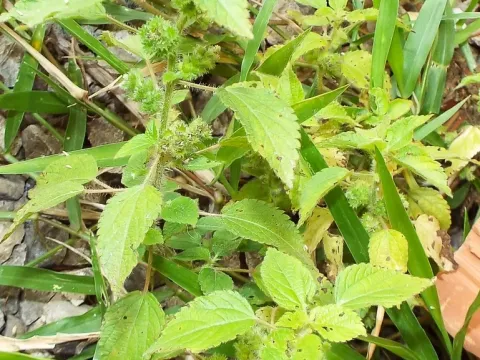
Acalypha poirettii
Acalypha poirettii
Acalypha poirettii is a distinct member of the Euphorbiaceae family. Originally native to tropical regions, this plant thrives in environments characterized by high ambient humidity and consistent temperatures, reflecting its natural forest habitat.
What the section contains
Acalypha poirettii
Successful cultivation requires well-draining, nutrient-rich soil substrates. It is essential to maintain a neutral pH level, as the plant shows sensitivity to nutrient imbalances caused by improper soil chemistry and excessive irrigation.
Temperature management should be precise, ideally hovering between 20°C and 25°C. High levels of diffused light are preferred; direct exposure to intense midday sunlight can lead to leaf scorching, which significantly impairs the plant's overall vitality.
Botanically, the plant presents as a herbaceous shrub featuring alternate leaf arrangements and characteristic inflorescences. The structural properties of these floral parts are key diagnostic features for identifying this specific species within the Acalypha genus.
The economic value of this culture is primarily specialized, focusing on botanical conservation and potential phytochemical extraction. Ongoing research into the chemical compounds produced by the plant suggests potential avenues for future agricultural applications.
The primary pathological threats to this crop include fungal infections associated with high humidity and stagnant air. Prevention methods focus on maintaining optimal aeration and strictly managing water cycles to prevent the onset of root decay.
Common pests affecting the plant consist of spider mites and whiteflies. These organisms thrive in sheltered, warm environments, requiring diligent monitoring and the application of targeted pest management strategies to protect the crop yield.