
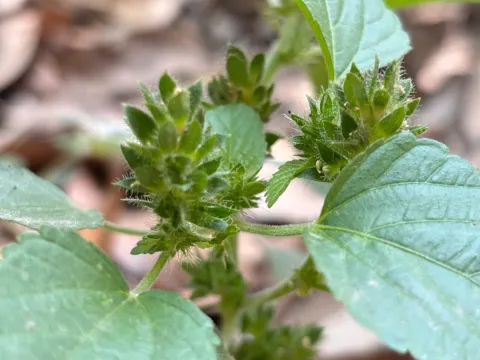
Acalypha infesta
Acalypha infesta
Acalypha infesta is an annual herbaceous plant belonging to the Euphorbiaceae family. This species is recognized in agricultural science as a competitive weed that thrives in warm climates and disturbed environments, often becoming a nuisance in cultivated fields.
What the section contains
Acalypha infesta
The plant is characterized by its branching stem structure and serrated, alternate leaves. These morphological traits allow it to optimize light capture, providing a competitive edge over smaller or slower-growing agricultural crops during the early stages of vegetation.
Regarding soil requirements, this species shows high adaptability to various soil types, provided they are sufficiently moist during the germination phase. It prefers open, sunny areas where it can establish a strong root system quickly without competition for nutrients.
The root system is primarily taprooted, enabling the plant to reach deeper soil layers for moisture access. This physiological trait makes it resilient against intermittent dry spells, ensuring survival in environments where other weeds might suffer from water deficiency.
Propagation is strictly through seed production. The plant develops small seed capsules that release seeds upon maturity, which are then easily dispersed by mechanical field operations or wind, leading to widespread distribution throughout agricultural lands.
Acalypha infesta is notably resistant to many common plant diseases due to the presence of alkaloids and specialized protective compounds within its milky sap. This biochemical defense mechanism makes it a robust weed that is rarely affected by typical agricultural pathogens.
While few pests pose a significant threat to its biomass, the plant can act as a reservoir for viruses that affect commercial crops. This indirect threat makes the weed a concern for integrated pest management programs, as it helps bridge the gap for pathogens between seasons.
Control strategies for this species prioritize early intervention. Herbicidal treatments are most effective during the seedling stage, as the plant can rapidly become tolerant to standard contact herbicides once it reaches a certain physiological maturity.
Mechanical control, such as inter-row cultivation, is highly effective if performed before the flowering stage. Since the plant can regenerate from buds on the lower stem if severed incorrectly, deep soil turning is recommended to bury seeds and eliminate shallow roots.
Agricultural management should also include strict seed bank control. Because the seeds are persistent in the soil, monitoring field margins and irrigation channels for emerging seedlings is crucial to preventing long-term infestations in the primary growing area.