
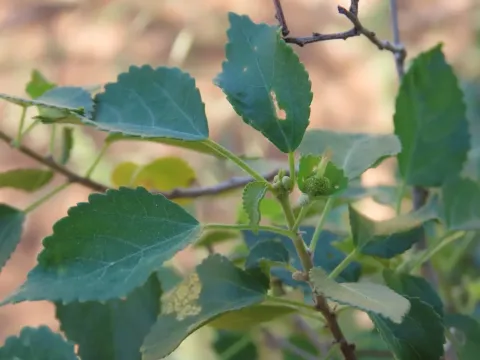
Acalypha fruticosa
Acalypha fruticosa
Acalypha fruticosa, belonging to the Euphorbiaceae family, is a tropical shrub naturally distributed across Africa. In agricultural practice, seed germination is initiated under high humidity conditions, typically mirroring the onset of the rainy season.
What the section contains
Acalypha fruticosa
The optimal germination temperature ranges between 22 and 25 degrees Celsius, requiring a well-draining, nutrient-rich potting medium to support early root development.
Vegetative propagation via stem cuttings is a standard industrial practice, as it allows for the maintenance of genetic purity and consistent crop quality across large plantations.
Seedlings should be prepared in a protected nursery environment to shield them from early-stage weather fluctuations and extreme ultraviolet exposure.
Transplanting into the open field is conducted once soil temperatures are consistently above 20 degrees Celsius, ensuring a seamless transition for the sensitive root systems.
The plant thrives in full sun but benefits from partial shade in extremely hot climates to prevent leaf scorching and excessive water transpiration.
Soil conditions must be characterized by excellent drainage; heavy clay soils that retain water must be amended with organic matter or sand to avoid root rot.
A balanced irrigation schedule is crucial: the crop requires consistent moisture during the growing phase but is highly susceptible to waterlogging.
Regular fertilization with nitrogen-based nutrients is recommended during the vegetative stage to encourage vigorous growth of the foliage, which is the primary economic component.
Adequate spacing between plants, typically 60 to 80 centimeters, is required to maintain airflow and prevent the buildup of micro-climatic humidity.
The primary yield consists of the leaves and tender stems, which are harvested for their pharmacological properties and use in traditional medicine.
Yield capacity is highly dependent on light intensity; high-latitude cultivation often results in lower concentrations of active compounds compared to equatorial regions.
Under optimal management, growers can execute multiple harvesting cycles per season, ensuring that the plant is not over-pruned, which could lead to exhaustion.
Effective weed control is a critical factor in maximizing yield, as invasive species often compete with the shrub for soil nutrients and light.
Post-harvest processing involves rapid air-drying in shaded, airy facilities to preserve the volatile components within the plant material.
Spider mites and mealybugs are the most common pests, particularly prevalent during dry, hot weather, and they can significantly inhibit plant growth.
Fungal diseases, especially powdery mildew, represent a serious threat if plants are too densely packed, restricting air circulation and increasing leaf surface humidity.
Root rot, driven by improper irrigation techniques or poor soil permeability, is the leading cause of plant loss in managed Acalypha plantations.
Integrated Pest Management (IPM) strategies, including biological control agents, are preferred to maintain the chemical integrity of the harvested leaf material.
Regular monitoring of leaf health, including the underside of the foliage, is necessary for the early detection and treatment of potential infestations.
The harvesting process should be timed for the early morning hours, after the morning dew has evaporated, to ensure the plant material is dry before processing.
Careful manual harvesting using sterile cutting tools minimizes the risk of introducing pathogens into the plant tissues, which could lead to infection.
Once harvested, the plant material must be stored in well-ventilated containers to prevent overheating, which can cause chemical degradation of the active compounds.
Sorting should be performed immediately upon harvest to ensure that only healthy, high-quality foliage is sent for further drying and processing.
Proper storage involves keeping the dried final product in cool, dry areas with limited exposure to light, which keeps the phytochemical profile intact for longer periods.