
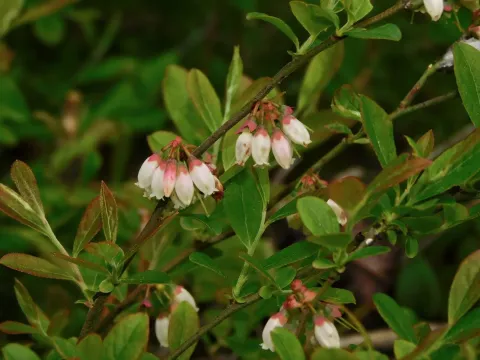
Vaccinium tenellum
Vaccinium tenellum
Vaccinium tenellum, commonly known as the southern blueberry, is a shrub belonging to the Ericaceae family. It is native to the southeastern United States, where it thrives in sandy, well-drained forest soils.
What the section contains
Vaccinium tenellum
The success of this culture depends entirely on soil acidity. It requires an acidic substrate with a pH between 4.5 and 5.5. Without this specific range, the plant cannot absorb nutrients efficiently, leading to stunted growth.
While the plant is relatively drought-tolerant, consistent moisture is necessary for high-quality berry production, especially during the flowering and fruit-setting stages in late spring.
Vaccinium tenellum prefers sunny locations with partial shade. Adequate airflow is essential to prevent fungal buildup, making site selection critical for long-term plantation health.
Propagation is typically done through cuttings or root division. Establishing a plantation requires careful soil preparation, often incorporating organic acidic matter like pine bark to mimic natural conditions.
The yield of Vaccinium tenellum varies based on bush age and environmental factors. Under optimal management, it provides a consistent harvest of sweet, flavorful berries that are highly valued in the local market.
To maximize yields, it is recommended to apply fertilizers specifically formulated for acid-loving plants. These promote fruit bud development and ensure strong vegetative growth during the season.
Pruning is an essential agrotechnical practice. Removing older, less productive stems encourages new, vigorous growth, which in turn leads to a higher volume of berries in subsequent years.
The crop is known for its resilience and can remain productive for over a decade when properly maintained. It is an excellent choice for niche berry production and organic farming setups.
Proper density management in the orchard ensures that each bush receives enough light and resources, which directly translates into higher average yields per square meter.
Fungal diseases are the primary threat, especially in humid or poorly ventilated conditions. Botrytis and various leaf spots can compromise both the plant vigor and fruit quality if not managed early.
Insect pests, such as fruit flies and various leaf-eating larvae, can cause significant damage. Integrated pest management (IPM) is recommended to minimize the impact on the harvest.
Soil-borne pathogens can be mitigated through consistent mulching with pine needles or bark, which keeps the root zone healthy and suppresses competing weed growth that might harbor pests.
Nutrient deficiencies, particularly iron chlorosis, are common indicators of improper soil pH. Correcting the chemical balance of the soil is the most effective preventative measure.
Regular monitoring of the canopy is vital. Early detection of any irregular spotting or yellowing on leaves allows for rapid intervention before the issue spreads throughout the field.
The harvest season typically takes place during the summer months. Berries are ready for picking when they develop a deep blue color and become slightly soft to the touch.
Hand-harvesting is the preferred method to maintain the integrity of the fruit. As Vaccinium tenellum berries are delicate, gentle handling prevents bruising and extends the shelf life.
Picking often occurs in multiple waves, as the berries on a single bush may not ripen simultaneously. This requires the labor force to visit the bushes several times throughout the season.
Post-harvest cooling is crucial. Quickly lowering the temperature of the harvested fruit inhibits respiration and decay, ensuring that the berries remain fresh during transit.
The harvested fruit is suitable for fresh consumption, processing into jams, or commercial freezing. Freezing immediately after harvest preserves the berries' nutritional profile for later use.