
Vaccinium retusum
Vaccinium retusum
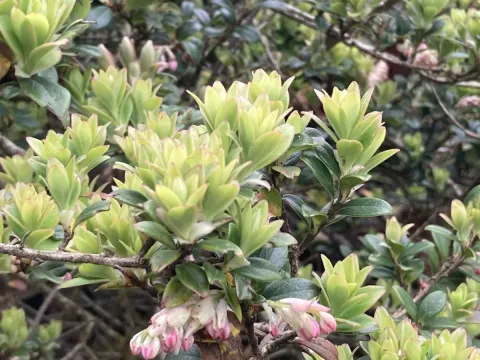
Vaccinium retusum is a unique evergreen shrub belonging to the Ericaceae family. It is recognized for its dense habit and distinct foliage, featuring leaves with characteristic retuse or notched tips, which distinguishes it from many other blueberry relatives.
What the section contains
Vaccinium retusum
The plant originates from the mountainous regions of the Himalayas and Southeast Asia. Due to its natural habitat, it thrives in cool, misty environments with high ambient humidity, making it somewhat challenging to cultivate in regions with extreme heat or dry climates.
For successful growth, Vaccinium retusum demands highly acidic, well-draining soil. Gardeners typically utilize a substrate composed of sphagnum peat moss, pine bark, and coarse sand to ensure optimal root health and proper pH levels, usually ranging between 4.5 and 5.5.
Botanically, the plant is known for its delicate, bell-shaped flowers that appear in small clusters. These blooms are often white or tinged with pink, providing high ornamental value. Following flowering, it produces small, edible berries, although these are rarely harvested for commercial consumption.
In terms of practical application, Vaccinium retusum is primarily valued by collectors and enthusiasts of ericaceous plants. It serves as an excellent addition to specialized rock gardens or alpine houses where the specific environmental conditions necessary for its survival can be meticulously maintained.
The primary threats to Vaccinium retusum are root pathogens associated with poor drainage and overwatering. If the substrate remains waterlogged for extended periods, the plant becomes highly susceptible to Phytophthora and other soil-borne diseases that can lead to rapid decline.
Insect pests include spider mites and scale insects, which often target the plant in sheltered environments like greenhouses. Maintaining proper airflow and humidity levels is essential to prevent infestations and ensure the long-term health of the shrub.