
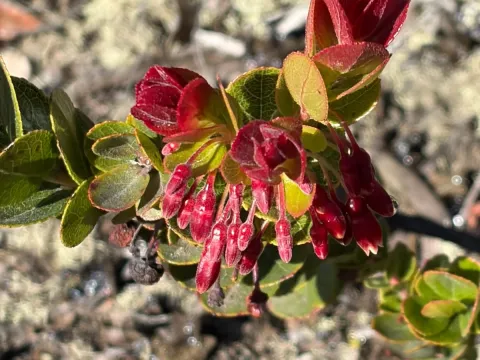
Vaccinium reticulatum
Vaccinium reticulatum
Vaccinium reticulatum, commonly known as ohelo, is a shrub native to the high-elevation volcanic regions of Hawaii. Propagation is primarily natural, via seeds dispersed by avian species.
What the section contains
Vaccinium reticulatum
For cultivation purposes, seeds require stratification to break dormancy. They must be sown in a highly acidic, well-draining medium to simulate their native volcanic soil conditions.
Seedlings exhibit very slow growth and rely heavily on symbiotic mycorrhizal fungi. Establishing this fungal association is crucial for the successful transition from germination to nursery growth.
Due to the complexity of its root system, vegetative propagation via cuttings remains challenging and requires controlled, sterile greenhouse conditions.
Optimal planting in a garden setting should occur in seasons with mild temperatures, ensuring the plant has enough time to establish before facing any extreme weather conditions.
As a member of the Ericaceae family, Vaccinium reticulatum has specific soil needs. The pH must be kept in the acidic range, typically between 4.5 and 5.5, for proper nutrient uptake.
The plant thrives in porous volcanic substrates. Poor drainage is detrimental, as the root system is highly susceptible to rot if exposed to waterlogged conditions for extended periods.
Moderate temperatures are essential. While it is adapted to high altitudes, it does not tolerate intense tropical heat or freezing temperatures common in other climate zones.
Consistent moisture is required, but irrigation water must be low in minerals and lime, as alkaline buildup can quickly cause chlorosis and plant decline.
High light intensity is preferred, but in areas with strong solar radiation, partial shade during the midday hours is beneficial to prevent leaf scorching.
Yield capacity for ohelo is variable and depends significantly on environmental factors. The plant begins to produce fruit once it has reached a mature size, usually after several years of growth.
The berries are valued for their antioxidant properties and unique flavor profile. Depending on the variety, they can range in color from bright red to yellow or purple-black.
Yield can be enhanced by systematic pruning, which removes dead or woody tissue and encourages the production of new, fruit-bearing stems.
Since the plant is not mass-cultivated on a global scale, its economic yield is primarily focused on local markets and artisanal specialty food production.
Proper pollination is key to a successful harvest; in cultivation, attracting local pollinators or ensuring adequate air circulation is necessary for fruit set.
Root rot is the most significant threat to Vaccinium reticulatum. It is usually caused by pathogenic fungi such as Phytophthora, which thrive in poorly aerated or soggy soil conditions.
Invasive species, including competitive weeds and feral ungulates, pose a major threat to the survival of natural populations and can easily overwhelm cultivated plots.
Pests like aphids and spider mites can attack the tender new growth, causing leaf curling and reducing the plant's overall photosynthetic capacity.
Excessive humidity combined with high temperatures can trigger foliage diseases, requiring a balanced climate and proper spacing between plants to prevent outbreaks.
Integrated pest management strategies are recommended, focusing on maintaining plant vigor to naturally resist disease and herbivore pressure.
Harvesting ohelo is a labor-intensive process, as the berries are delicate and must be hand-picked to maintain their integrity and market quality.
The timing of the harvest is critical, as berries do not ripen uniformly. Multiple passes are often required over the course of the ripening season to gather all fruit at peak quality.
Fruits are prone to bruising, so they must be placed in shallow, ventilated containers immediately after picking to allow for proper airflow and prevent fermentation.
Once harvested, the shelf life is limited. Cold chain management is essential if the berries are being transported to markets distant from the production site.
Post-harvest handling involves removing any damaged berries and debris to ensure the remaining batch meets the quality standards for fresh sale or processing.