
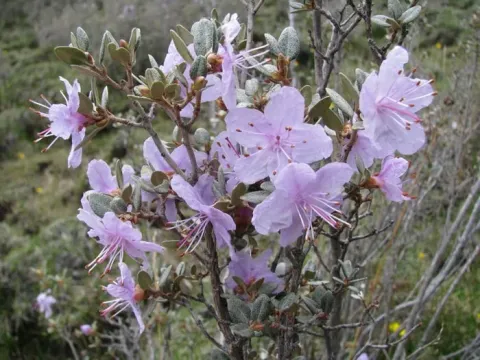
Webster's rhododendron
Rhododendron websterianum
Webster's rhododendron (Rhododendron websterianum) is an elegant evergreen shrub belonging to the Ericaceae family, native to the high-altitude regions of China. It is highly valued by horticulturists for its compact size, delicate flowers, and dense foliage structure.
What the section contains
Webster's rhododendron
Successful cultivation requires acidic soil conditions with a pH level between 4.5 and 5.5. The planting site must have excellent drainage, as the root system of this species is highly susceptible to rot caused by waterlogged soils or stagnant moisture.
The plant thrives in partial shade, where it is shielded from the harsh afternoon sun and dry, desiccating winds. In temperate regions, it is essential to maintain consistent soil moisture through regular watering and the application of organic mulch like pine needles or peat.
Climatic adaptability is focused on cool to moderate temperatures and high atmospheric humidity. During winter months, especially in regions with heavy frost, it is recommended to provide protection to prevent damage to the flower buds, which are often set in late summer.
Agrotechnical practices involve using specific fertilizers formulated for acid-loving ericaceous plants. To ensure healthy growth, avoid deep cultivation around the base of the shrub to protect the sensitive surface roots, opting instead for supplemental top-dressing with mulch.
The main threats to the plant include fungal pathogens such as Phytophthora root rot and leaf spot diseases. These are often triggered by improper irrigation practices, making improved drainage and aeration the primary preventive measures for healthy plant maintenance.
Insect pests, notably the rhododendron bug and spider mites, can damage the foliage by piercing cells and extracting sap. Regular inspections and the application of targeted insecticides or miticides are necessary to keep the plant vigorous and visually appealing throughout the season.